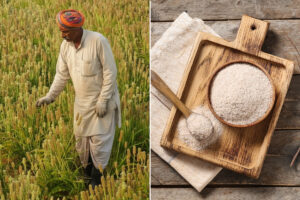


Effect of Frost on Psyllium: Ground Reality from Rajasthan
Rajasthan is currently facing an intense cold wave, with frost and extremely low temperatures affecting major agricultural belts. This sudden shift in weather has created serious challenges for psyllium (Isabgol) cultivation, a crop that is highly sensitive to frost—especially during its critical growth and flowering stages.
Potential Impact of Frost on Psyllium Crop
1. Seed Damage
Frost exposure can deteriorate seed quality, resulting in poor germination and reduced overall yield.
2. Plant Mortality
Severe frost may lead to partial or complete plant death, causing significant crop loss in affected fields.
3. Leaf Drying and Burn
Low temperatures can dry out leaves and cause frost burn, restricting photosynthesis and slowing plant growth.
4. Flower Damage
Frost can damage flowers, directly affecting pollination and seed formation, which ultimately reduces production.
5. Reduced Seed Size
Cold stress often results in smaller, lighter seeds, lowering both quality and market value.
6. Overall Yield Reduction
The combined effect of frost damage can lead to a substantial decline in total crop output, impacting farmers’ income.
7. Increased Pest and Disease Susceptibility
Frost-stressed plants become weaker and more vulnerable to pest attacks and disease outbreaks, further aggravating crop losses.
Conclusion
The ongoing cold wave in Rajasthan highlights the vulnerability of psyllium cultivation to frost conditions. Without timely protective measures, farmers may face considerable yield and quality losses. Monitoring weather patterns and adopting frost-management practices are crucial to minimizing damage during such extreme climatic events.