PSYLLIUM GUIDANCE – Part 3
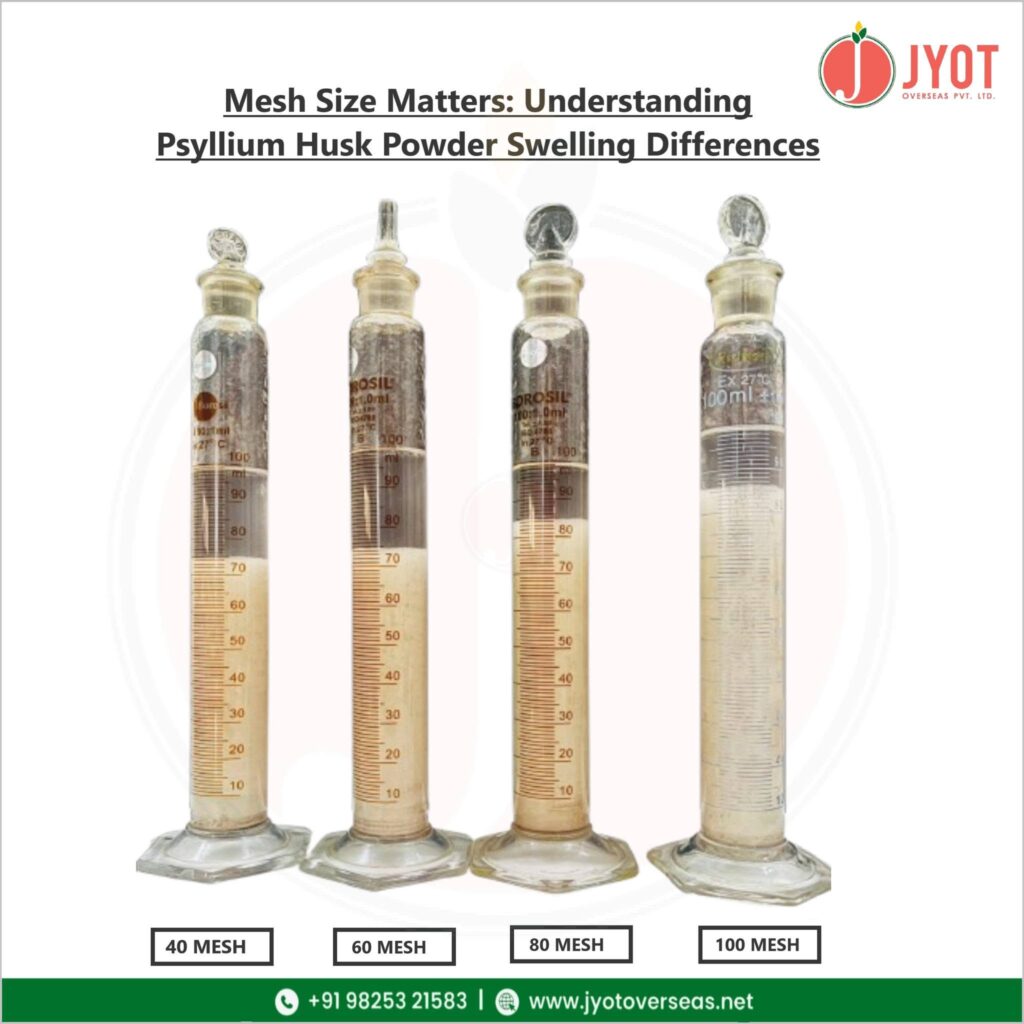
Mesh Size Matters: Understanding the Impact of Particle Size on Psyllium Husk Powder Performance Psyllium husk powder is valued worldwide for its exceptional water absorption, gel-forming ability, and functional fiber content. While purity is often the first specification buyers evaluate, mesh size is another critical quality parameter that directly influences product performance. For manufacturers of dietary supplements, functional foods, pharmaceutical formulations, and fiber-enriched products, understanding the relationship between mesh size and swelling behavior is essential when selecting the right grade of psyllium husk powder. What Does Mesh Size Mean? Mesh size refers to the fineness of the powder after milling and sieving. As the mesh number increases, particle size becomes finer, creating a larger surface area available for water interaction. Commercial psyllium husk powder is commonly available in grades such as 40 Mesh, 60 Mesh, 80 Mesh, and 100 Mesh, with each grade offering distinct functional characteristics. Why Mesh Size Influences Swelling Performance The unique functionality of psyllium comes from its ability to absorb water and form a viscous gel. Since hydration begins at the particle surface, finer powders generally allow faster and more efficient water absorption. As particle size decreases, the powder exhibits: Faster hydration Improved dispersion in liquid systems Enhanced gel formation Greater swelling capacity More consistent functional performance These characteristics can significantly affect the final performance of food, nutraceutical, and pharmaceutical formulations. Comparing Different Mesh Sizes 40 Mesh – Coarser Grade Coarser psyllium husk powder offers a lower surface area, resulting in slower hydration and moderate swelling performance. These grades are often selected for applications where rapid gel formation is not a primary requirement. 60 Mesh – Balanced Functionality 60 Mesh powder provides improved hydration and dispersion while maintaining a balanced particle structure. It remains one of the most widely used grades across food processing applications. 80 Mesh – Enhanced Performance With increased fineness, 80 Mesh powder delivers stronger swelling characteristics, improved dispersion, and faster gel development. It is frequently preferred for nutraceutical and functional food products where consistency and performance are important. 100 Mesh – Premium Functional Grade Ultra-fine 100 Mesh powder offers maximum surface area exposure, allowing rapid hydration, superior dispersion, and the highest swelling potential. This grade is particularly suitable for premium nutraceutical and pharmaceutical applications requiring precise functionality. Selecting the Right Grade for Your Application The ideal mesh size depends on the intended end use. Food manufacturers often seek a balance between processability and functionality, while nutraceutical and pharmaceutical producers typically prioritize swelling efficiency, consistency, and rapid hydration characteristics. For products marketed as clean-label, plant-based, or fiber-enriched formulations, selecting the appropriate mesh size can significantly influence texture, viscosity, and overall consumer experience. Meeting Global Quality Expectations As demand for digestive wellness and functional fiber ingredients continues to grow, buyers are placing greater emphasis on technical specifications beyond purity alone. Swelling performance, particle size consistency, traceability, and processing standards have become increasingly important considerations when sourcing psyllium ingredients. Leading importers today expect suppliers to provide not only quality material but also technical guidance regarding the most suitable grade for their application. This is particularly true for customers sourcing conventional and organic psyllium husk for regulated international markets. India continues to be the world’s primary source of psyllium products, with established psyllium husk manufacturers India serving food, nutraceutical, pharmaceutical, and industrial sectors across the globe. As one of the major origins for psyllium processing, the country also remains home to some of the most experienced psyllium husk exporters India and ispaghula husk exporters, supplying customers in more than 100 countries. Whether purchasing container quantities of bulk psyllium husk for manufacturing or sourcing through psyllium husk wholesale distribution channels, understanding mesh size specifications can help buyers optimize product performance and maintain formulation consistency. Beyond Specifications: Performance Matters While certificates, purity levels, and regulatory compliance remain essential, the true value of psyllium husk powder lies in its functional performance. Mesh size plays a direct role in determining how efficiently the product hydrates, swells, disperses, and ultimately performs in the finished application. For this reason, leading psyllium husk suppliers increasingly work with customers to recommend the most appropriate mesh grade based on product objectives rather than focusing solely on standard specifications. Conclusion Mesh size is a key factor influencing the functional characteristics of psyllium husk powder. As particle size becomes finer, swelling capacity, hydration efficiency, and gel-forming performance generally improve, creating significant advantages for food, nutraceutical, and pharmaceutical applications. Understanding these differences enables manufacturers to select the right grade for their formulations and achieve more consistent product performance. In today’s competitive marketplace, choosing the correct mesh size is not simply a technical decision—it is an important step toward delivering superior quality to the end consumer. 📩 Connect with us:Exports@jyotoverseas.net 🌐 Website:www.jyotoverseas.net
How Psyllium Works for Blood Sugar Control?
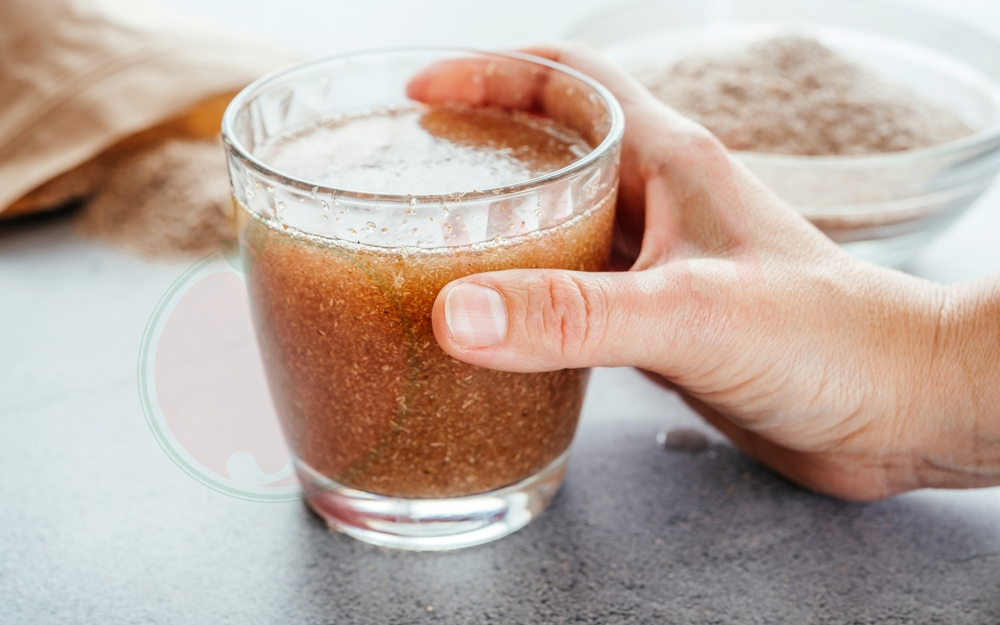
Psyllium seed husks are the outer layers of psyllium seeds that the body cannot digest. They are high in soluble dietary fibre, which makes them ideal for treating diarrhoea, constipation, irritable bowel syndrome, and other digestive issues. The husks are frequently dried, powdered, or minced before being ingested. Psyllium husk powder is accessible by major psyllium producers. Blood sugar regulation has been reported to benefit from psyllium seed husks. It can help lower blood sugar levels and reduce the risk of metabolic syndrome when added to a nutritious diet. Taking psyllium before meals has been shown to lower blood sugar levels after meals, which is essential for people with diabetes or pre-diabetes. Psyllium powder taken with breakfast and dinner assists lower glucose levels after breakfast, lunch, and dinner. Why Blood Sugar Control is Important? Blood sugar control is crucial for everyone, not just diabetics. It’s also necessary for anyone trying to lose weight. Because excess sugar in the body is frequently converted to fat, maintaining stable blood sugar levels is critical. People who are using blood sugar drugs should consult their doctor before taking psyllium husk, as it has been shown to reduce blood glucose levels. Psyllium husk may minimise the need for diabetes drugs in some people. If you’re on diabetic medicine, talk to your doctor before taking this supplement because extremely low blood sugar levels can be harmful. How Psyllium Seed Powder Helps Control Blood Sugar? 1. Psyllium fiber’s assistance in maintaining healthy blood sugar levels When looking at both fasting blood sugar levels and haemoglobin A1c (HbA1c) – an indicator of average blood sugar over the past 2-3 months – psyllium fibre can help maintain healthy blood sugar levels. 2. Psyllium seed husks aid with hunger management? Limiting sugar intake is one strategy to help maintain healthy blood sugar levels because sugar or carbohydrate-rich foods cause our blood sugar levels to rise. By producing a gel in the digestive tract, psyllium seed husks supplement like psyllium powder might help you feel fuller for longer. This technique can help you eat less between meals by lowering your hunger. 3. Sugar is trapped in the digestive system. The gelling activity of psyllium powder aids in slowing sugar absorption from the digestive tract. Sugars are free to be absorbed quickly into the bloodstream without a gel-forming fibre, boosting blood sugar levels. How Psyllium Functions? 1. When psyllium and water combine in the body, a gel forms that cannot be digested, absorbed, or broken down. 2. When gelled psyllium and sugar are in the same digestive system, the gelled psyllium retains some sugars, reducing their absorption. 3. The carbohydrates that have been trapped are gradually released and taken into the bloodstream. This assists the body in maintaining normal blood sugar levels. How to Use Psyllium Seed Powder? It’s crucial to take psyllium husk 2-4 hours before or after you eat, take medications, or take supplements. Psyllium has been shown to reduce the absorption of various medicines. It’s also vital not to overdose on this product. Small amounts of fibre are beneficial to the body, but too much psyllium might cause your digestive system to overwork, resulting in digestive issues. Conclusion Psyllium seed powder is a natural supplement that can help control blood sugar and can also help lower cholesterol. It is made from the husks of the psyllium husk seeds. This product can is a good source of dietary fiber.
PSYLLIUM GUIDANCE – Part 2
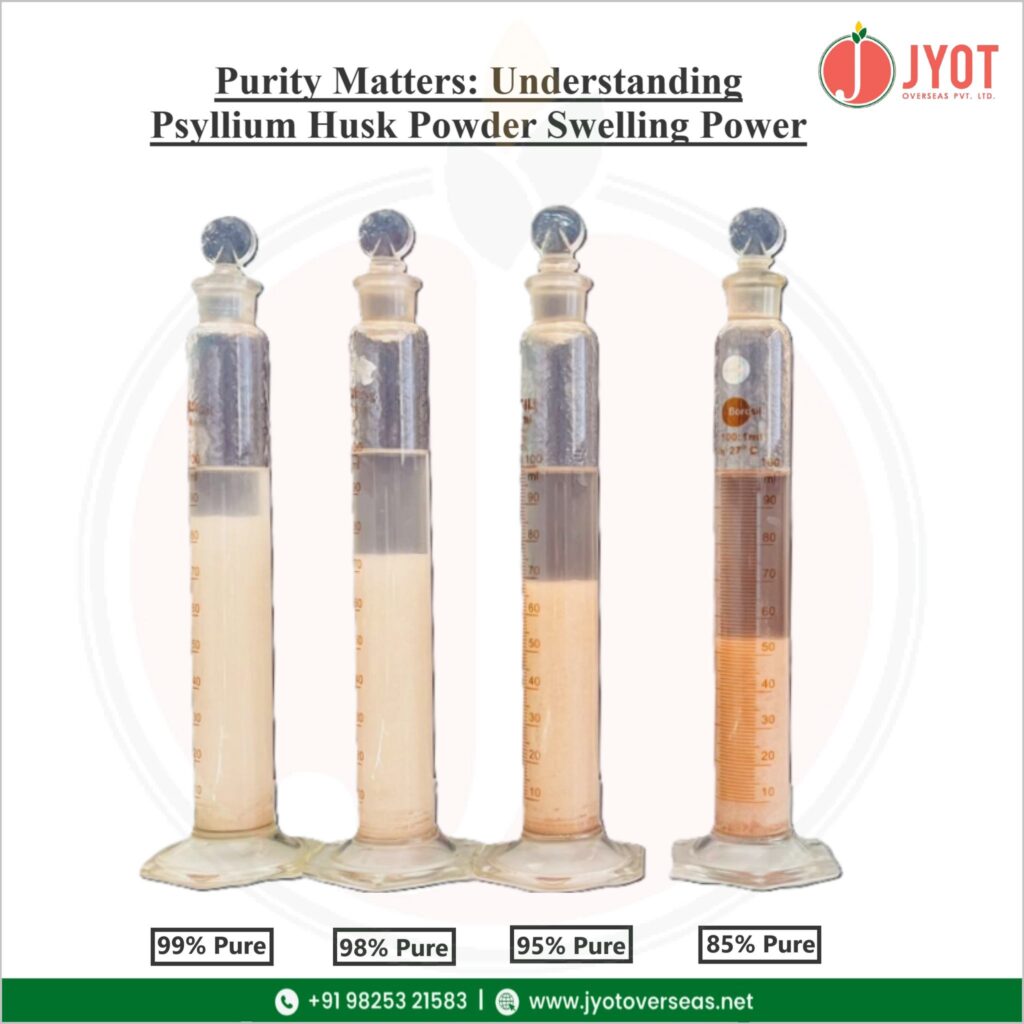
Purity Matters: Understanding Psyllium Husk Powder Swelling Power One of the most valuable functional properties of psyllium husk is its exceptional swelling ability. When mixed with water, psyllium husk powder can absorb nearly 10–14 times its own weight, creating a natural viscous gel widely used across food, pharma, and nutraceutical industries. But here’s the important scientific insight 👇👉 Purity directly impacts swelling performance. 🔬 Higher Purity (99%) ✔️ Maximum swelling index✔️ Stronger and more stable gel formation✔️ Superior viscosity consistency✔️ Ideal for pharma-grade and premium nutraceutical formulations High-purity isabgol powder is best suited for applications where precision, consistency, and performance are critical. This is especially important in advanced dietary fiber and digestive wellness formulations involving psyllium husk powder. 🔬 85%–95% Purity ✔️ Good swelling performance✔️ Reliable gel formation✔️ More cost-effective solution✔️ Suitable for food, feed, and industrial applications These grades of psyllium husk and isabgol offer balanced functionality while supporting cost optimization for large-scale manufacturing needs. 📌 Key TakeawayThe higher the purity, the stronger and more consistent the swelling performance of psyllium husk powder. Selecting the right grade depends on your application requirements, regulatory standards, and desired gel strength. As global demand rises for organic psyllium husk, functional fiber ingredients, and clean-label products, understanding purity levels becomes increasingly important for buyers and formulators worldwide. Science-backed sourcing. Performance-driven results. 🌱 📩 Connect with us:Exports@jyotoverseas.net🌐 www.jyotoverseas.net
From Indian Farms to Global Shelves: How Jyot Overseas Delivers Certified Organic Psyllium
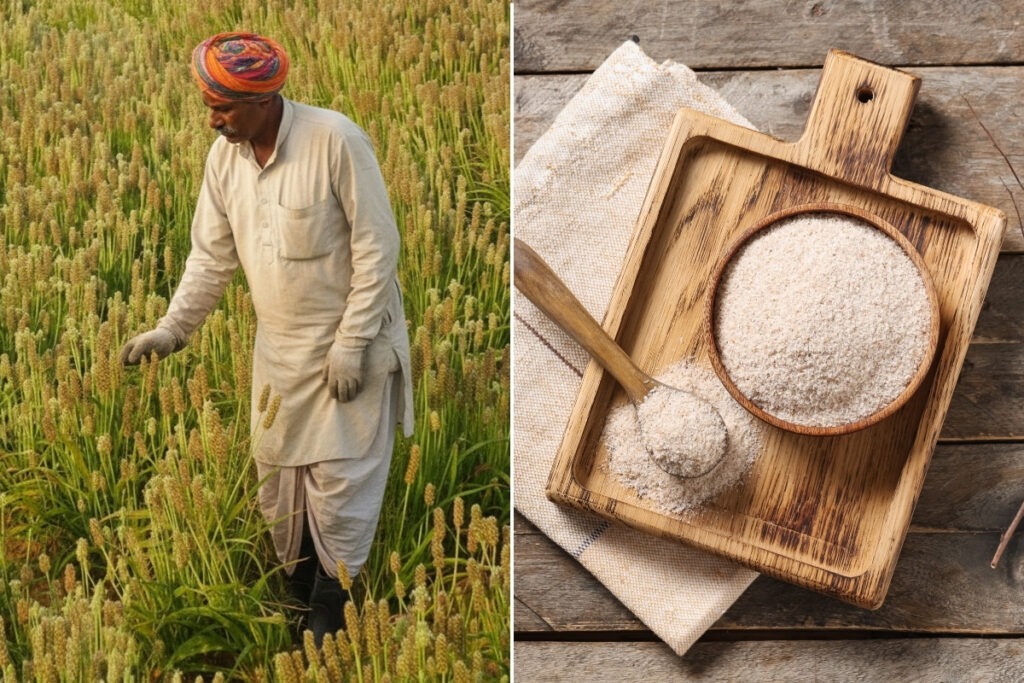
Introduction Psyllium, renowned for its health benefits, is a staple in the global dietary supplement, food, and pharmaceutical industries. As demand for organic, clean-label ingredients grows, sourcing high-quality psyllium has become more complex. India, with its ideal growing conditions in Rajasthan and Gujarat, supplies over 90% of the world’s psyllium, making it the dominant player in the global psyllium market. As a result, psyllium manufacturers in India are central to meeting this demand. However, meeting global standards for purity, traceability, and sustainability remains a challenge. Jyot Overseas, a leading supplier of organic psyllium husk, is addressing these challenges by ensuring rigorous quality control from farm to export. By providing certified organic fibre, the company ensures that organic psyllium from India meets the highest standards for international buyers. This blog explores how the company’s commitment to transparency and compliance helps global buyers access the finest organic psyllium available. India: The Global Hub of Psyllium India’s semi-arid regions provide ideal conditions for psyllium cultivation. Rajasthan and Gujarat lead production due to favourable soil and climate. Key facts about India’s psyllium dominance: This natural advantage, combined with skilled processing, makes India the preferred source for psyllium for food and pharma applications worldwide. Organic Psyllium Starts at the Farm Organic quality begins long before processing. Jyot Overseas works directly with ICS farmers to ensure purity at the source. Why farm-level control matters: This approach allows Jyot Overseas to supply organic psyllium whole husk and seeds with confidence. Working with Farmers on Organic Cultivation Jyot Overseas partners with certified organic farmers across Rajasthan. Farmers are trained on: This ensures the psyllium grown qualifies as a clean-label fibre ingredient without synthetic inputs. Long-term farmer relationships also stabilise supply in volatile seasons. Harvesting and Seed Collection Harvesting is done at the right maturity stage to protect fibre quality. Key harvesting practices include: Jyot Overseas is also a reliable psyllium seed supplier, providing high-purity seeds for cultivation and trade. From Seed to Husk Processing with Quality Control Processing is where raw psyllium becomes export-grade material. Jyot Overseas operates modern facilities designed for: This ensures the consistent delivery of bulk psyllium husk powder to global buyers. Cleaning, Grading, and Dehusking Raw psyllium seeds go through multi-stage cleaning systems. The process includes: Dehusking is carefully performed to preserve husk length and swelling capacity. This step is critical for premium organic psyllium husk quality. Milling, Blending, and Packaging For customised requirements, psyllium husk is milled and blended. Options include: Jyot Overseas also supplies steam-treated psyllium, ensuring microbial safety without chemical sterilisation — ideal for pharma and nutraceutical brands. Certifications, Compliance, and Traceability Global buyers demand verified documentation. Jyot Overseas meets international compliance standards. Certifications include: Batch-level traceability allows buyers to track products from farm to shipment. This builds trust in Jyot Overseas as a responsible psyllium manufacturer. Global Logistics: Getting Psyllium to International Brands Export logistics are as critical as production. Jyot Overseas manages: With experience in over 30 countries, the company ensures smooth psyllium exports from India to the USA, the EU, the Middle East, and Asia. Why Global Brands Choose Jyot Overseas International brands look for more than price. They want reliability, compliance, and consistency. Key reasons buyers partner with Jyot Overseas: This positions Jyot Overseas among the trusted psyllium manufacturers in India, serving the food, pharma, and nutraceutical industries. Case Study: Organic Psyllium for a European Nutraceutical Brand A European nutraceutical company required: Jyot Overseas delivered a customised solution within 30 days. Post-launch, the brand reported: This highlights Jyot Overseas’ strength as a psyllium seed supplier and processor. Case Study: Bulk Supply for a US Food Manufacturer A US-based food brand needed bulk psyllium husk powder for gluten-free baking. Challenges included: Jyot Overseas ensured uninterrupted supply, helping the brand scale production without quality compromise. Psyllium for Food and Pharma Applications Psyllium’s versatility drives its global demand. Major applications include: The rising demand for certified organic fibre continues to fuel growth in the global psyllium market. Sustainability and Ethical Sourcing Jyot Overseas supports sustainable agriculture. Initiatives include: This ethical approach strengthens long-term supply and supports the global shift toward clean-label fibre ingredient sourcing. Conclusion From Indian farms to global shelves, Jyot Overseas delivers trusted organic psyllium from India through controlled sourcing, certified processing, and reliable exports. As a leading psyllium manufacturer, the company supports food and pharma brands with organic psyllium husk, steam-treated psyllium, and bulk solutions. With deep roots in agriculture and a strong global reach, Jyot Overseas continues to shape the future of the global psyllium market.
Key Takeaways from Biofach 2026 🌱
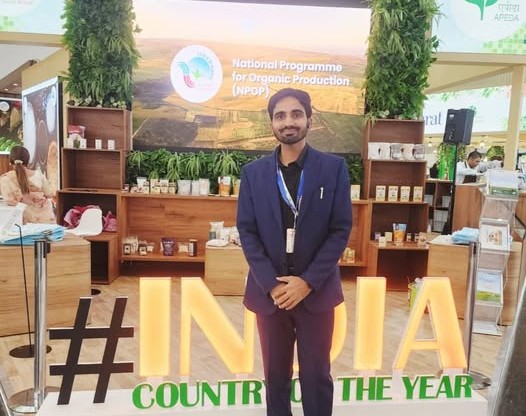
Attending Biofach 2026 in Germany was truly an eye-opening experience for our team at Jyot Overseas. The event highlighted how the global organic industry is evolving rapidly, especially in the growing demand for organic psyllium husk, isabgol, psyllium husk powder, and clean-label dietary fiber solutions. As global consumers become more health-conscious, the demand for premium-quality psyllium husk and isabgol powder continues to rise across food, nutraceutical, and pharmaceutical industries. Key Takeaways from BIOFACH 2026: 🌱 Sustainability is no longer optionalSustainability has become the foundation of every serious organic business. From responsible sourcing of organic psyllium husk to eco-friendly production practices, companies worldwide are focusing on long-term environmental responsibility. 💡 Innovation is acceleratingThe market is moving strongly toward clean-label, transparent, and value-driven products. The increasing applications of psyllium husk powder and isabgol powder in health foods, gluten-free products, and dietary supplements clearly reflect this trend. 🤝 Ethics and transparency matter more than everFrom sourcing to production, fairness and accountability are becoming industry standards. Reliable psyllium husk suppliers and trusted psyllium husk manufacturers India are gaining global recognition for quality and transparency. It was inspiring to see businesses from across the world come together with a shared vision of creating a more sustainable and responsible organic future. At Jyot Overseas, we remain committed to delivering high-quality psyllium husk, premium isabgol, and innovative organic ingredient solutions to global markets. For regular updates and market insights:📧 Exports@jyotoverseas.net🌐 www.jyotoverseas.net
PSYLLIUM GUIDANCE – Part 1 🧪🌿
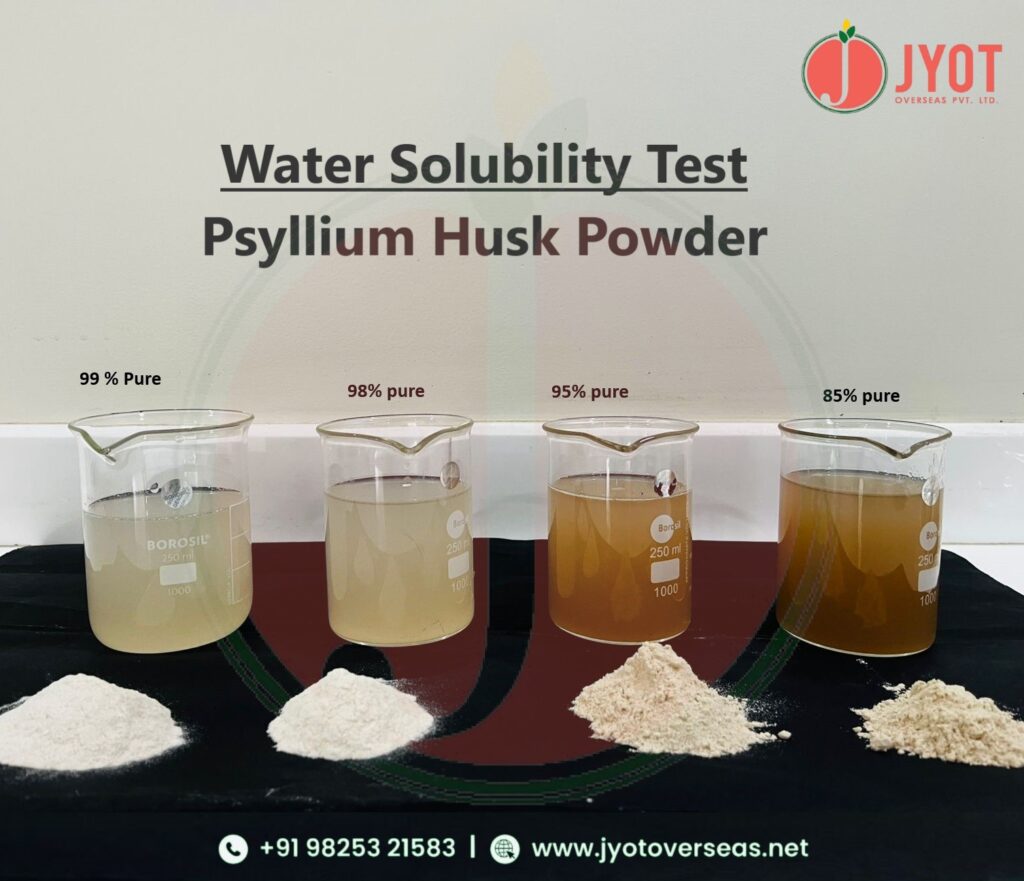
Quick Psyllium Solubility Test We recently conducted a simple water test to better demonstrate the functional properties of psyllium husk and psyllium husk powder — and the results were exactly as expected. Unlike typical molecular solutes that completely dissolve in water, isabgol is primarily water-swellable. When mixed with water, psyllium husk absorbs liquid rapidly and forms a thick, viscous gel structure. What We Observed: ✔️ Excellent gel formation✔️ High viscosity development✔️ Stable and expected swelling behavior This natural gel-forming ability is one of the key reasons why psyllium husk powder and isabgol powder are widely used in dietary fiber applications, digestive wellness products, gluten-free formulations, and functional food solutions. The water absorption capacity of psyllium husk plays an important role in digestive support formulations, especially in products related to psyllium husk for constipation and gut health applications. The same swelling property also contributes to growing demand for organic psyllium husk in nutraceutical and clean-label industries. Simple science. Clear functionality. Proven performance. 🌱 At Jyot Overseas, we continue sharing practical insights and industry knowledge around psyllium husk, isabgol, and innovative fiber applications for global markets. For regular updates and market insights:📧 Exports@jyotoverseas.net🌐 www.jyotoverseas.net
What an Incredible 3 Days at FI Europe 2025! 🌟
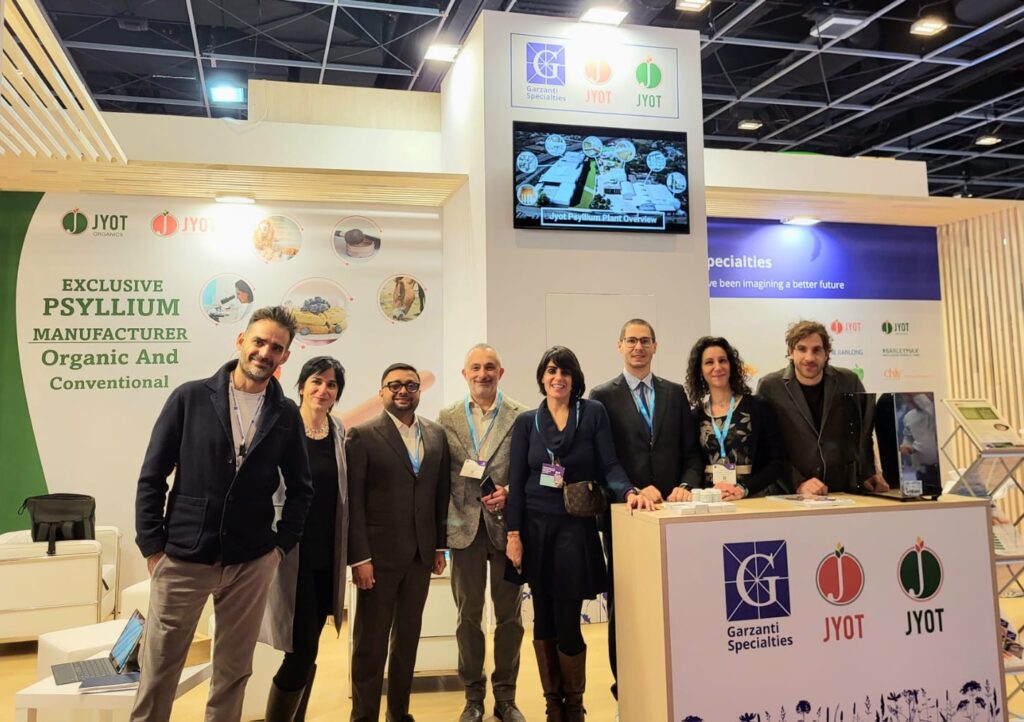
We are truly grateful for the amazing experience at FI Europe 2025 and the valuable connections we made during the event. It was a pleasure meeting customers, partners, and industry professionals from around the world and discussing the growing global demand for psyllium husk, isabgol, psyllium husk powder, and isabgol powder. A heartfelt thank you to everyone who visited us at Booth 73D18. Your support, conversations, and interest in our premium psyllium products made this event unforgettable. As a trusted manufacturer and exporter from India, Jyot Overseas continues to deliver high-quality psyllium solutions for the food, nutraceutical, pharmaceutical, and wellness industries worldwide. From natural psyllium husk to finely processed psyllium husk powder and isabgol powder, we remain committed to quality, innovation, and sustainability. To celebrate the successful completion of the exhibition, our team enjoyed a memorable evening at the stunning Eiffel Tower in Paris! Here’s to stronger partnerships, future growth, and continued innovation in the global psyllium industry. For more information, connect with us: exports@jyotoverseas.net www.jyotoverseas.net Follow us on LinkedIn for regular Psyllium updates: https://lnkd.in/gwibNvrT
Jyot Overseas at BIOFACH India 2025: A Successful Step Towards Global Organic Growth
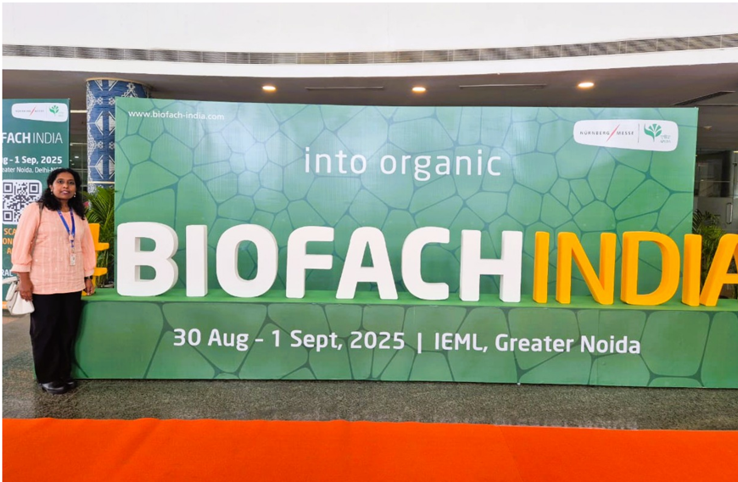
Jyot Overseas, a leading manufacturer and exporter of premium Psyllium (Isabgol), proudly participated in BIOFACH India 2025, held from 30th August to 1st September 2025 at IEML, Greater Noida. The event proved to be a highly successful platform for strengthening relationships, exploring new markets, and gaining valuable insights into the global organic industry. BIOFACH India 2025 – India’s Premier Organic Trade Fair BIOFACH India is internationally recognized as one of the most influential exhibitions for organic products, natural ingredients, and sustainable agriculture. The event brought together manufacturers, exporters, buyers, importers, and industry experts from across the world under one roof. The theme “Into Organic” perfectly aligned with Jyot Overseas’ commitment to quality, sustainability, and purity in Psyllium production. Strong Presence of Jyot Overseas at BIOFACH India Our team had the opportunity to interact with a diverse range of visitors, including: We showcased our high-quality Psyllium Husk, Psyllium Powder, and Psyllium Seeds, highlighting our advanced manufacturing processes, strict quality control, and export capabilities. Promoting the Benefits of Psyllium (Isabgol) Psyllium, also known as Isabgol, is widely valued for its health benefits and growing global demand. At BIOFACH India 2025, we emphasized how our Psyllium products are ideal for: As a trusted Psyllium exporter from India, Jyot Overseas ensures: Valuable Client Interactions & New Business Opportunities We are extremely grateful to all our existing clients, partners, and new visitors who took the time to visit us during the exhibition. The discussions were insightful and opened doors to new business opportunities, collaborations, and export markets. BIOFACH India 2025 helped us: Commitment to Quality & Sustainability At Jyot Overseas, we believe in delivering pure, natural, and sustainably sourced Psyllium products. Our participation at BIOFACH India reinforces our mission to support organic growth, clean nutrition, and long-term partnerships worldwide. Thank You for Making BIOFACH India 2025 a Success We sincerely thank everyone who visited our team at BIOFACH India 2025 and contributed to making this event a grand success. Your trust and support motivate us to continue delivering the best quality Psyllium (Isabgol) from India to the world.
Organic Psyllium Wins Over Conventional Psyllium
Psyllium is a type of soluble fiber that is derived from the seeds of a plant called Plantago ovata. Psyllium has many health benefits, such as lowering cholesterol, improving blood sugar levels, easing constipation, and promoting weight loss. However, not all psyllium products are created equal. If you want to get the most out of your psyllium intake, you should opt for organic psyllium over conventional psyllium. What is Organic Psyllium? Unlike conventional psyllium, which may contain traces of pesticides and other chemicals, organic psyllium is grown without the use of synthetic fertilizers, herbicides, or fungicides. This means that organic psyllium has more natural and beneficial nutrients that can boost your immunity, metabolism, and energy levels. What are the Benefits of Organic Psyllium? Some of the key differences between organic and conventional psyllium are: Organic psyllium has 28% more vitamin C, which is essential for collagen synthesis, wound healing, and fighting infections. Organic psyllium has 28.6% more magnesium, which is important for muscle and nerve function, blood pressure regulation, and blood sugar control. Organic psyllium has 20.77% more iron, which is vital for hemoglobin production, oxygen transport, and immune system function. Organic psyllium has 14% more phosphorous, which is crucial for bone and teeth health, DNA and RNA synthesis, and energy metabolism. Organic psyllium has higher phenolic compounds and antioxidants than conventional psyllium. These are powerful substances that can protect your cells from oxidative stress, inflammation, and chronic diseases. As you can see, by choosing organic psyllium, you are not only supporting sustainable farming practices, but also enhancing your health and wellness. How to Use Organic Psyllium? Organic psyllium is available in various forms, such as powder, capsules, or husks. You can easily incorporate organic psyllium into your daily diet by adding it to your smoothies, cereals, soups, salads, or baked goods. The recommended dosage of organic psyllium is about 10 to 30 grams per day, depending on your individual needs and preferences. However, you should always consult your doctor before taking any dietary supplements. Where to Buy Organic Psyllium? If you are looking for a reliable source of organic psyllium, you can check out Jyot Organics, a company that specializes in organic Psyllium from India. They offer high-quality organic psyllium that is certified by USDA, EU, and India Organic standards. You can connect them by their website:- www.jyotoverseas.net/jyot-organics.html or directly email to Exports@Jyotoverseas.net Conclusion Organic psyllium is a superior choice over conventional psyllium when it comes to fiber supplements. Organic psyllium has more nutrients, antioxidants, and health benefits than conventional psyllium. By choosing organic psyllium, you are not only doing good for yourself, but also for the environment. So what are you waiting for? Try organic psyllium today and see the difference for yourself!
APEDA Event – Unlocking Potential of Psyllium
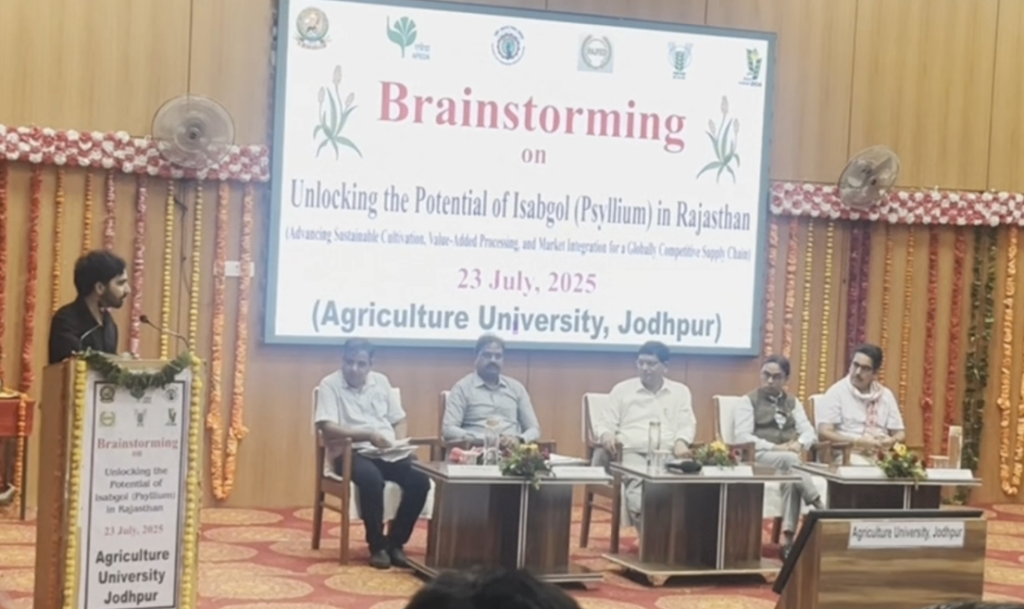
Unlocking the Potential of Isabgol (Psyllium) in Rajasthan: Our Reflections from the Brainstorming Session at Agriculture University, Jodhpur On July 23rd, 2025, we had the honor of participating in a high-impact Brainstorming Session on “Unlocking the Potential of Isabgol (Psyllium) in Rajasthan”, organized at Agriculture University, Jodhpur. This event brought together stakeholders across the value chain—researchers, exporters, policymakers, and cultivators—with the shared goal of strengthening India’s global leadership in the Psyllium industry. We extend our sincere gratitude to Mr. Man Prakash Vijay, Deputy General Manager, APEDA (Agricultural and Processed Food Products Export Development Authority), for inviting us and providing a valuable platform to share our experiences and voice key concerns surrounding Psyllium cultivation and export—especially in the context of organic Psyllium. The Growing Importance of Psyllium (Isabgol) Psyllium, commonly known as Isabgol, is one of India’s most vital agricultural export commodities. Sourced primarily from Rajasthan and Gujarat, Psyllium husk has found its way into global markets due to its exceptional health benefits—ranging from digestive wellness to cholesterol management. With the increasing global shift toward natural, organic, and sustainable products, India’s role in Psyllium supply has become more crucial than ever. Key Highlights from the Session During the session, we were able to spotlight critical challenges in the export of Organic Psyllium, including: Lack of standardized quality parameters Compliance hurdles in international organic certification Supply chain traceability issues Limited awareness among farmers about export potential and organic cultivation practices These are not just operational issues—they are strategic challenges that require collective action. The brainstorming format allowed us to engage deeply with experts and stakeholders, exploring collaborative solutions such as: Strengthening farm-level training and backward integration Enhancing research–industry linkages Leveraging technology and digital tools for traceability Policy interventions for streamlined organic certification A Vision for the Future India already accounts for over 80% of global Psyllium exports. But the future lies in moving up the value chain—from raw husk to value-added Psyllium-based nutraceuticals and branded organic products. Sessions like these are critical in turning that vision into reality. We are proud to contribute to this dialogue and reaffirm our commitment to sustainable, high-quality, and globally competitive Agri exports from India. 🌾 Let’s Grow Together The session reinforced our belief that when academia, government, and industry collaborate, we can unlock unprecedented opportunities for Indian agriculture. We look forward to continuing this journey and thank all stakeholders who made this event impactful and forward-looking.