
How is psyllium Plant-Based Meat Alternatives
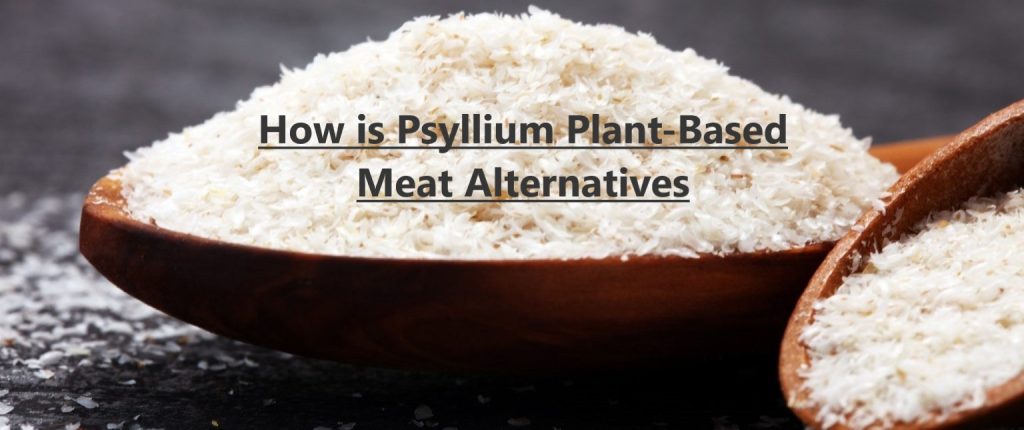
How is psyllium Plant-Based Meat Alternatives: Psyllium can be a valuable ingredient in plant-based meat alternatives for several reasons: Texture and Binding: Psyllium has excellent binding properties, which help hold plant-based meat ingredients together. This is crucial for creating a meat-like texture and preventing the product from falling apart during cooking. Moisture Retention: Psyllium can help retain moisture in plant-based meat products, preventing them from becoming dry or tough when cooked. This enhances the juiciness and succulence of the final product, mimicking the mouthfeel of real meat. Fat Imitation: Psyllium can also imitate the fat content found in meat, providing a similar mouthfeel and flavor experience. This is especially important for creating plant-based burgers and sausages that have a juicy and satisfying taste. Nutritional Boost: Psyllium is rich in soluble fiber, which adds nutritional value to plant-based meat alternatives. Fiber is important for digestive health and can help promote satiety, making these products more satisfying to consume. Gluten-Free Option: For consumers with gluten sensitivities or celiac disease, psyllium offers a gluten-free alternative for binding and texture enhancement in plant-based meats. This expands the accessibility of plant-based options to a broader audience. Overall, psyllium plays a crucial role in enhancing the texture, flavor, and nutritional profile of meat alternatives, making them more appealing and satisfying for consumers seeking sustainable and ethical protein sources.
Jyot Overseas Pvt. Ltd. Wins Export Excellence Award

We are delighted and honoured to share that Jyot Overseas Pvt. Ltd. has been awarded the Export Excellence Award for the year 2019-20 by the Federation of Indian Export Organizations (FIEO) for our outstanding performance in the export of psyllium products. This prestigious award was presented by the Hon’ble Minister of State for Commerce & Industry; Consumer Affairs, Food & Public Distribution and Textiles – Shri Piyush Goyal Ji, in a ceremony held on 29th August, 2023. Our Chairman / Managing Director, Mr. Vijay Patel, received the award on behalf of our company and expressed his gratitude to the FIEO, the Ministry of Commerce and Industry, and our esteemed customers for their recognition and support. We are also proud of our team for their hard work and dedication in delivering high-quality products and services to our global clients. We dedicate this award to our vision of promoting health and wellness through our psyllium products and services Psyllium is a type of fiber that is derived from the seeds of a plant called Plantago ovata. Psyllium products are used for nutritional supplements, pharmaceutical and personal care products, as they have various health benefits such as lowering cholesterol, blood sugar, and blood pressure, improving digestion, and relieving constipation. Jyot Overseas Pvt. Ltd. is a leading manufacturer and exporter of Organic and conventional psyllium products. We have been in this business since 1997 and have established a strong reputation in the global market for our quality and performance. We have a fully automated psyllium husk powder plant without any manual intervention and follow strict quality standards and certifications. We offer Psyllium grades such as psyllium seed, psyllium seed powder, psyllium husk, psyllium husk powder and psyllium kha-kha powder. We are proud of our achievements, and we strive to continue our excellence in the future. We thank you for being a part of our journey and we look forward to serving you with our best products and services.
The History and Cultivation of Psyllium
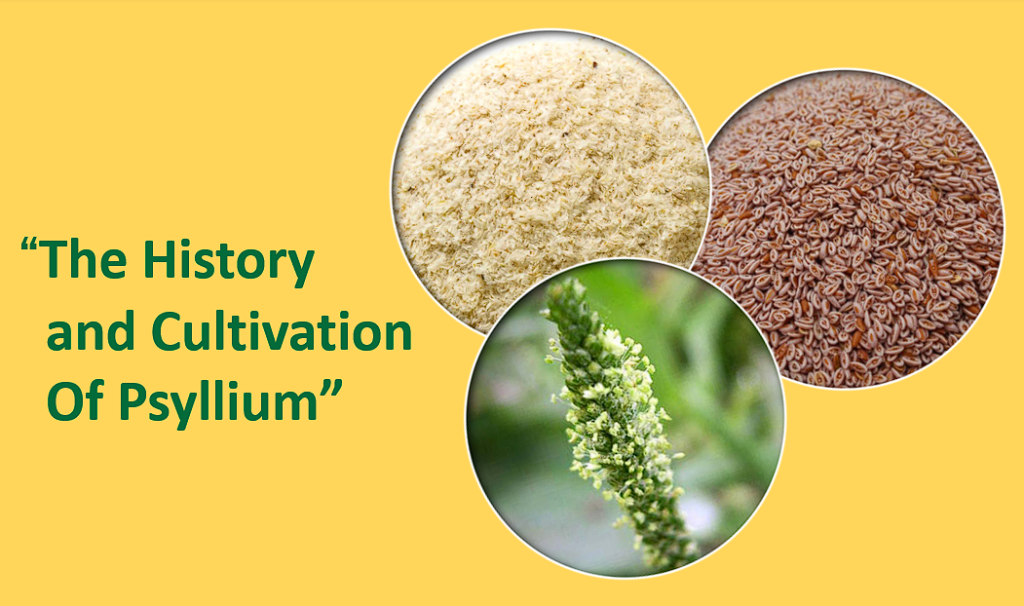
Psyllium is a plant-based dietary fiber that is commonly used as a supplement for digestive health. It is a type of soluble fiber that is derived from the seeds of the Plantago ovata plant, which is native to India. This plant has been used for medicinal purposes for thousands of years and has been mentioned in ancient Hindu and Ayurvedic texts. In this blog, we will explore the history and cultivation of psyllium, as well as its various health benefits. History of Psyllium Psyllium has a long history of use in traditional medicine, with records dating back to ancient times. In ancient Hindu texts, psyllium was referred to as ispaghula, which means “horse flower”, and was used to treat various digestive problems, including constipation, diarrhea, and irritable bowel syndrome (IBS). It was also used as a natural remedy for other health issues, such as high cholesterol, heart disease, and obesity. Psyllium was first introduced to Europe and North America in the late 1800s, when it was used as a natural laxative. In the 1970s, psyllium gained popularity as a supplement for digestive health, and it has since become one of the most widely used dietary fibers in the world. Today, psyllium is commonly used in a variety of products, including fiber supplements, laxatives, and meal replacement drinks. Cultivation of Psyllium Psyllium is primarily cultivated in India, where the climate and soil conditions are ideal for its growth. The plant is a hardy annual that can grow up to 30 cm in height and produces small, white flowers. The seeds of the plant are collected and processed to produce psyllium husk, which is the main source of soluble fiber in psyllium supplements. The cultivation of psyllium involves planting the seeds in well-drained soil, and then harvesting the plants when they reach maturity. The seeds are then separated from the plant, cleaned, and processed to produce psyllium husk. The husk is then packaged and sold as a dietary supplement or added to other products, such as breakfast cereals and protein bars. Health Benefits of Psyllium Psyllium has a number of health benefits, due to its high soluble fiber content. Soluble fiber is known for its ability to absorb water and form a gel-like substance in the gut, which can help to regulate bowel movements and relieve constipation. Additionally, psyllium can help to lower cholesterol levels and reduce the risk of heart disease by binding with dietary cholesterol and preventing its absorption into the bloodstream. One of the most notable health benefits of psyllium is its ability to promote digestive health. This is due to its ability to regulate bowel movements, relieve constipation, and reduce the symptoms of IBS. Psyllium can also help to reduce the symptoms of diarrhea by absorbing excess water in the gut, which can help to regulate bowel movements and prevent dehydration. Psyllium is also known for its ability to aid in weight management. This is due to its ability to promote feelings of fullness and reduce appetite, which can help to prevent overeating. Additionally, psyllium can help to regulate blood sugar levels, which is beneficial for individuals with diabetes or who are at risk of developing diabetes. Conclusion In conclusion, psyllium is a plant-based dietary fiber that has a long history of use in traditional medicine for digestive health and other health issues. Cultivated primarily in India, psyllium is now widely used as a supplement for its numerous health benefits, including its ability to regulate bowel movements, relieve constipation, lower cholesterol levels
Jyot Overseas & Garzanti Specialties Successfully Exhibit at FI Europe 2025
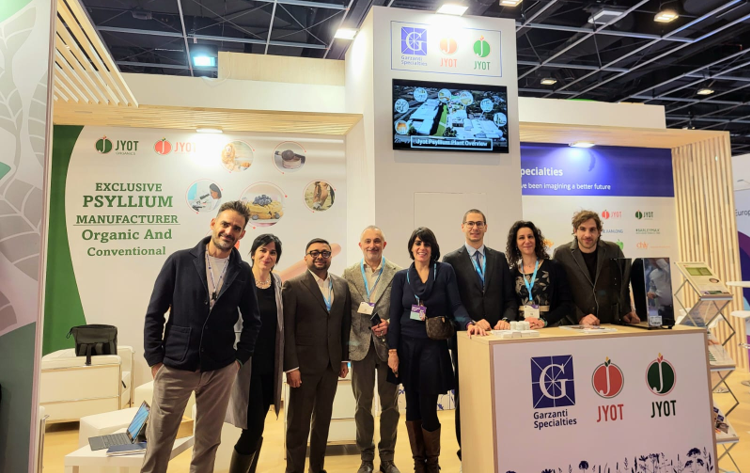
Strengthening Global Presence in Psyllium Husk Manufacturing & Exports FI Europe 2025 marked another important milestone for Jyot Overseas, a leading manufacturer and exporter of psyllium husk, as we proudly exhibited alongside our esteemed European distributor Garzanti Specialties. The event proved to be a highly successful platform for meaningful interactions, new business opportunities, and valuable industry insights within the global food, nutraceutical, and pharmaceutical sectors. Showcasing Premium Psyllium Products at FI Europe 2025 At FI Europe 2025, Jyot Overseas presented its comprehensive range of psyllium husk products, including: As a trusted psyllium manufacturer from India, we emphasized our vertically integrated manufacturing capabilities, stringent quality controls, and compliance with international food safety standards. Visitors showed strong interest in our ability to offer consistent quality, customized specifications, and reliable global supply. Strong Collaboration with Garzanti Specialties, Italy Our joint exhibition with Garzanti Specialties reinforced the strength of our long-standing partnership in the European market. Together, we showcased how Jyot Overseas’ manufacturing excellence combined with Garzanti’s deep market expertise delivers reliable, high-quality psyllium solutions to food, dietary supplement, and pharmaceutical companies across Europe. This collaboration reflects our shared commitment to: Growing Demand for Psyllium Husk in Global Markets The growing awareness of psyllium husk health benefits was a recurring topic throughout FI Europe 2025. Psyllium continues to gain popularity due to its role in: As a leading psyllium exporter, Jyot Overseas is well positioned to support this demand with scalable production, sustainable sourcing, and consistent quality across bulk and private-label requirements. Engaging with Clients, Innovators & Industry Experts We were delighted to welcome existing clients, new prospects, formulators, and industry experts to our booth. The discussions went beyond products — focusing on future trends, clean-label innovations, organic psyllium demand, and evolving regulatory landscapes. These interactions provided us with fresh perspectives and insights that will help us: Commitment to Quality, Sustainability & Innovation Jyot Overseas remains committed to being a reliable psyllium husk supplier by continuously investing in: Our presence at FI Europe 2025 reaffirmed our position as a trusted psyllium manufacturer and exporter from India, serving clients worldwide with integrity and excellence. Thank You for Making FI Europe 2025 a Success We extend our heartfelt thanks to all our clients, partners, and visitors who took the time to meet us at FI Europe 2025. Your trust, feedback, and collaborative spirit made this event truly successful. We look forward to building new partnerships, strengthening existing relationships, and continuing our journey of growth in the global psyllium market.
Psyllium Fiber treats sand impaction in horses
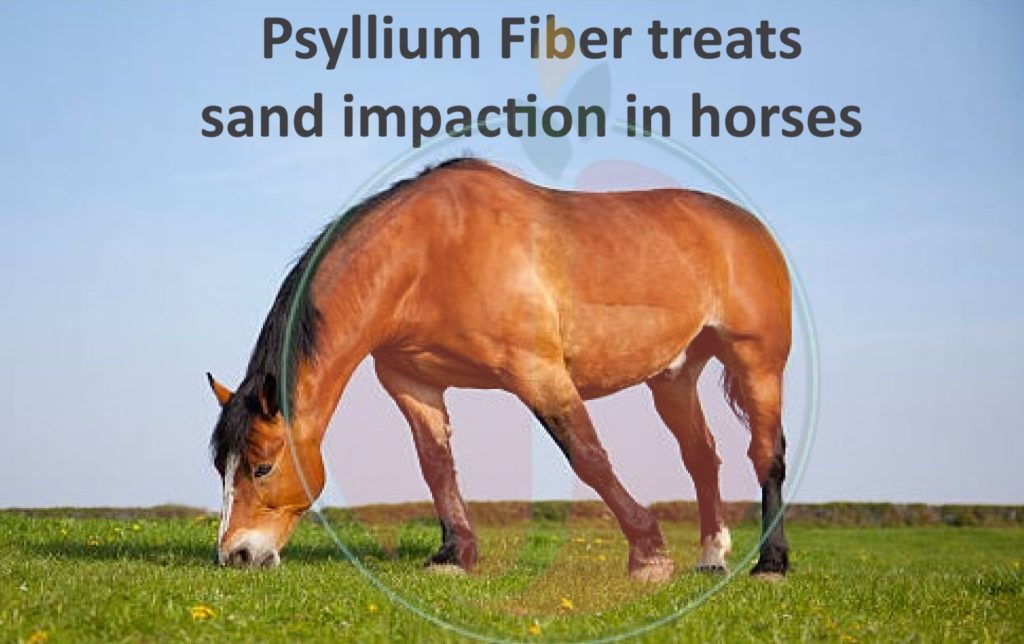
Sand colic is a common and potentially life-threatening condition that affects horses that graze on sandy soils or ingest sand while eating hay or grain from the ground. Sand can accumulate in the large colon and cause irritation, obstruction, diarrhea, weight loss and even death. Sand colic can be prevented by minimizing the exposure of horses to sand and providing adequate roughage and water intake. However, sometimes these measures are not enough and horses may still develop large sand accumulations that require medical intervention. One of the ways to treat sand colic is to feed your horse psyllium fiber supplements. Psyllium is a natural plant-based fiber that forms a gel-like substance when mixed with water. This helps to bind the sand particles and move them out of the colon. Psyllium has been used for decades as a laxative and a bulk-forming agent in humans and animals. It has also been shown to have beneficial effects on blood glucose and cholesterol levels, intestinal health and weight management. But how effective is psyllium for sand clearance in horses? And what are the best ways to use it? The Science Behind Psyllium Psyllium is derived from the seeds of Plantago ovata, a plant native to India. The seeds have a high content of soluble fiber, mainly mucilage, which swells when exposed to water and forms a viscous gel. This gel has several properties that make it useful for sand colic treatment: It increases the volume and moisture of the intestinal contents, which stimulates peristalsis and helps move the sand along the colon. It traps the sand particles within its matrix, preventing them from causing further damage to the intestinal mucosa. It protects the intestinal mucosa from bacterial toxins and inflammation by forming a barrier layer. Some studies have found psyllium to be effective for sand clearance in horses. Below factors that shows the outcome: The amount and frequency of psyllium administration. Most studies have used doses ranging from 0.5 to 1 g/kg of body weight, given once or twice daily for 3 to 7 days. Higher doses may be more effective but also more expensive and potentially cause impaction or diarrhea. The type and quality of psyllium product. Psyllium products vary in their purity, particle size, water-binding capacity and palatability. Some products may also contain additives such as flavorings, sweeteners, minerals or probiotics. These may affect the efficacy and safety of psyllium for horses. The presence of other substances in the intestinal lumen. Psyllium may interact with other components of the diet or medications that are given orally to horses. For example, psyllium may reduce the absorption of some antibiotics or minerals by binding them in its gel. Conversely, some substances may enhance the effect of psyllium by increasing its water-binding capacity or stimulating its fermentation by intestinal bacteria. The individual variation among horses. Horses may differ in their susceptibility to sand colic, their response to psyllium treatment and their preference for psyllium products. Some horses may not tolerate or consume psyllium well, while others may benefit more from it. The Best Practices for Using Psyllium Based on the current evidence and recommendations from veterinarians and equine nutritionists, here are some tips for using psyllium effectively and safely for sand colic treatment: Consult your veterinarian before starting any treatment for sand colic. Your veterinarian can diagnose the condition by abdominal radiography or fecal sand sedimentation and recommend the best treatment option for your horse. Choose a high-quality psyllium product designed for horses. Look for products that have a high purity (at least 95% psyllium), a fine particle size (less than 1 mm), a high water-binding capacity (at least 40 g water/g psyllium) and a good palatability (preferably flavored). Avoid products that have additives that may interfere with psyllium’s action or cause adverse effects in horses. Follow the manufacturer’s instructions for dosage and administration. Generally, psyllium should be given at a dose of 0.5 to 1 g/kg of body weight, once or twice daily for 3 to 7 days. Psyllium should be mixed with water and fed separately from the regular feed, preferably before or after a meal. Psyllium should not be mixed with other supplements or medications unless advised by your veterinarian. Monitor your horse’s response to psyllium treatment. You should see an increase in fecal sand output within a few days of starting psyllium treatment. You can check this by collecting a fecal sample and placing it in a bucket of water. The sand will sink to the bottom while the feces will float. You can also repeat the abdominal radiography or fecal sand sedimentation test after the treatment to confirm the clearance of sand from the colon. Repeat psyllium treatment as needed. Depending on the severity of sand accumulation and the risk of re-exposure, you may need to repeat psyllium treatment every few weeks or months. You can also use psyllium as a preventive measure if your horse is prone to sand colic or lives in a sandy area. However, psyllium should not be used as a substitute for proper management practices that reduce sand intake and promote intestinal health. The Bottom Line Psyllium is a natural fiber supplement that can help your horse with sand colic by binding and removing sand from the colon. However, psyllium is not a magic bullet and its effectiveness may vary depending on several factors. Psyllium should be used under veterinary guidance and in conjunction with other measures that prevent and treat sand colic in horses. If you have any questions or concerns about psyllium or sand colic in horses, please contact us at Exports@jyotoverseas.net and We are happy to help you and your horse live a happy and healthy life.
Psyllium husk in India: Natural source of fiber & prebiotics
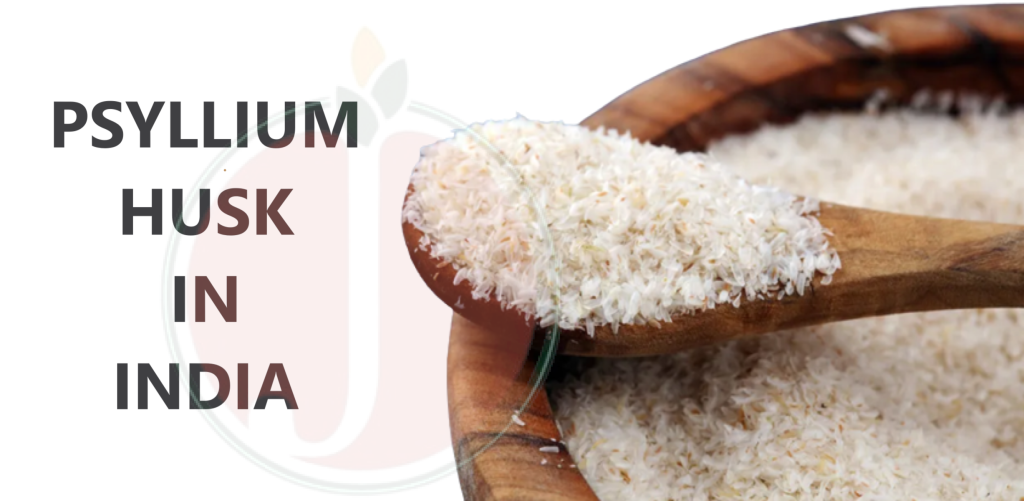
Psyllium husk is the outer layer of the seeds of the plant Plantago ovata, which is native to India. Psyllium husk has been used for centuries in traditional medicine and Ayurveda for various health benefits, especially for digestive health. In this blog, we will explore what psyllium husk is, how it works, and why it is a popular supplement in India. What is psyllium husk and how does it work? Psyllium husk is rich in soluble fiber, which is a type of carbohydrate that dissolves in water and forms a gel-like substance in the intestines. Soluble fiber can help regulate bowel movements, lower cholesterol levels, control blood sugar levels, and promote weight loss. Soluble fiber also acts as a prebiotic, which means it feeds the beneficial bacteria in the gut and supports a healthy microbiome. Psyllium husk can be consumed as a whole or as a powder. It can be mixed with water, juice, milk, yogurt, or smoothies. It can also be added to baked goods, cereals, soups, or salads. Psyllium husk has a mild taste and texture and can easily blend with other foods. What are the benefits of psyllium husk? Psyllium husk has many benefits for health and wellness. Some of the most common ones are: Improves digestion and relieves constipation: Psyllium husk adds bulk and moisture to the stool, making it easier to pass. It also stimulates peristalsis, which is the movement of the intestines that pushes the waste out. Psyllium husk can help relieve constipation, diarrhea, irritable bowel syndrome (IBS), hemorrhoids, and anal fissures1. Lowers cholesterol and blood pressure: Psyllium husk can bind to bile acids in the gut and prevent them from being reabsorbed into the bloodstream. Bile acids are made from cholesterol and help digest fats. By reducing bile acid reabsorption, psyllium husk can lower cholesterol levels and improve heart health. Psyllium husk can also lower blood pressure by relaxing the blood vessels and reducing inflammation1. Controls blood sugar and diabetes: Psyllium husk can slow down the absorption of glucose from the food into the bloodstream, which helps prevent spikes and crashes in blood sugar levels. This can help people with diabetes manage their condition and reduce the risk of complications. Psyllium husk can also improve insulin sensitivity and reduce insulin resistance1. Promotes weight loss and appetite control: Psyllium husk can make you feel full longer by expanding in your stomach and creating a sense of satiety. This can help you eat less calories and avoid overeating or snacking. Psyllium husk can also boost your metabolism and burn more fat by increasing thermogenesis1. Supports immune system and detoxification: Psyllium husk can enhance your immune system by nourishing your gut bacteria and strengthening your gut barrier. This can help you fight off infections and diseases. Psyllium husk can also help your body eliminate toxins and waste by binding to them and flushing them out1. Why is psyllium husk popular in India? Psyllium husk is widely grown and consumed in India for several reasons: Cultural and historical reasons: Psyllium husk has been used for centuries in India as a natural remedy for various ailments. It is also part of the Ayurvedic system of medicine, which emphasizes balance and harmony between the body, mind, and spirit. Psyllium husk is considered a sattvic food, which means it promotes purity, clarity, and peace2. Economic and environmental reasons: Psyllium husk is a cheap and readily available source of fiber and prebiotics in India. It is also easy to grow and harvest, requiring minimal water and fertilizer. Psyllium husk is biodegradable and compostable, making it an eco-friendly product3. Health awareness and wellness trends: Psyllium husk is gaining popularity in India as more people become aware of its health benefits and seek natural alternatives to synthetic drugs or supplements. Psyllium husk is also aligned with the global trends of wellness, fitness, nutrition, and organic living3. How to use psyllium husk safely? Psyllium husk is generally safe to use for most people when taken as directed. However, some precautions should be taken to avoid potential side effects or interactions: Start with a low dose: Psyllium husk can cause bloating, gas, cramping, or diarrhea if taken too much or too fast. It is recommended to start with a low dose (such as 1 teaspoon) per day and gradually increase it over time (up to 2 tablespoons) as your body adjusts. Drink plenty of water: Psyllium husk absorbs water in the gut, so it is important to drink enough fluids (at least 8 glasses) per day to prevent dehydration, constipation, or choking. It is also advisable to drink water before, during, and after taking psyllium husk1. Take it separately from medications: Psyllium husk can interfere with the absorption or effectiveness of some medications, such as antibiotics, anticoagulants, antidepressants, diabetes drugs, or thyroid hormones. It is advised to take psyllium husk at least 2 hours before or after taking any medications. Consult your doctor before using psyllium husk if you are on any medications1. Avoid if allergic or pregnant: Psyllium husk can cause allergic reactions, such as itching, rash, hives, swelling, or breathing difficulties, in some people who are sensitive to it. If you have any history of allergies, asthma, or anaphylaxis, avoid using psyllium husk. Also avoid using psyllium husk if you are pregnant or breastfeeding ,as there is not enough evidence on its safety or effects on the baby1. Conclusion Psyllium husk is a natural source of fiber & prebiotics that has many benefits for digestion, heart health, blood sugar control, weight loss, immune system & detoxification. It is widely grown & consumed in India for cultural, economic & environmental reasons. It is also popular among health-conscious consumers who seek natural & organic products. Psyllium husk can be easily incorporated into your diet by mixing it with liquids or foods. However, it should be used with caution & moderation to avoid side effects or interactions. Consult your doctor before using psyllium husk if you have any medical conditions or concerns.
Organic Psyllium from India : A Superfood for Your Gut

Psyllium is a type of soluble fiber that comes from the seeds of a plant called Plantago ovata, which grows mainly in India. Psyllium is also known as isabgol or Indian flea seed. Psyllium has been used for centuries in Ayurveda, the traditional system of medicine in India, as a natural remedy for various digestive disorders, such as constipation, diarrhea, irritable bowel syndrome, hemorrhoids and diverticular disease. Psyllium works by absorbing water and forming a gel-like substance in the intestines, which helps to soften the stool and make it easier to pass. Psyllium also helps to regulate the bowel movements and prevent constipation or diarrhea. Psyllium also lower the cholesterol and blood sugar levels in people with high cholesterol or diabetes, by binding to the bile acids and glucose in the digestive tract and reducing their absorption into the bloodstream. Psyllium also lower the blood pressure and reduce the risk of heart disease by improving the blood circulation and preventing the formation of blood clots. Psyllium is widely available as a dietary supplement in various forms, such as powder, capsules, tablets or wafers. However, not all psyllium products are created equal. Some psyllium products may contain additives, preservatives, artificial colors or flavors, or genetically modified ingredients that may compromise their quality and effectiveness. That’s why it is important to choose organic psyllium from India that is certified by reputable agencies such as USDA or EU Organic. Organic psyllium from India is grown without the use of synthetic pesticides, fertilizers, hormones or antibiotics that may harm the environment or your health. Organic psyllium from India is also processed using natural methods that preserve its nutritional value and purity. Organic psyllium from India is rich in both soluble and insoluble fiber that supports the entire gastrointestinal system and promotes healthy elimination and regularity. Organic psyllium from India also has prebiotic properties that nourish the beneficial bacteria in your gut and enhance your immunity and digestion. Organic psyllium from India is a superfood for your gut that can help you improve your digestive health and overall well-being. Organic psyllium from India can also support your weight loss goals by making you feel full and reducing your appetite. Organic psyllium from India is a simple and easy way to add more fiber to your diet and enjoy its many benefits.
Psyllium Husk Fiber
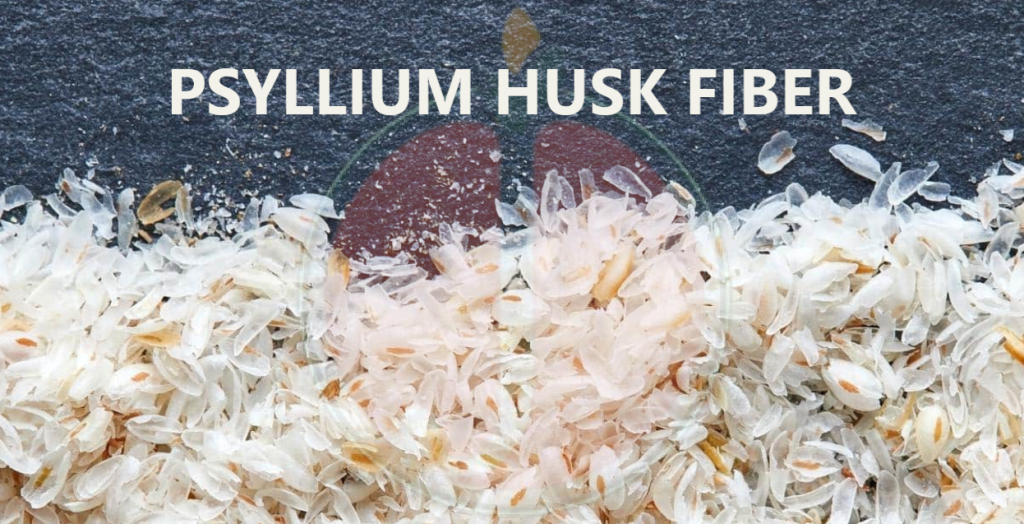
Psyllium husk fiber, also known as psyllium fiber, is a type of soluble fiber that comes from the seeds of the Plantago ovata plant. This fiber is commonly used as a supplement to improve digestive health, but it has also been linked to a variety of other health benefits. Psyllium husk fiber is primarily composed of a type of soluble fiber called mucilage. This substance forms a gel-like material when mixed with water, which can help to promote regularity and prevent constipation. In addition to its effects on digestive health, psyllium husk fiber has been shown to have a number of other potential health benefits. Improved Cholesterol Levels Studies have shown that psyllium husk fiber may be effective in lowering cholesterol levels. This is because the soluble fiber in psyllium husk binds to cholesterol in the digestive tract, preventing it from being absorbed into the bloodstream. This can lead to lower levels of LDL (or “bad”) cholesterol, which is associated with an increased risk of heart disease. One study published in the American Journal of Clinical Nutrition found that consuming psyllium husk fiber for six weeks led to a significant decrease in LDL cholesterol levels among overweight and obese individuals. Another study published in the Journal of the American Medical Association found that supplementing with psyllium husk fiber led to a 5% reduction in LDL cholesterol levels among individuals with hypercholesterolemia. Blood Sugar Control In addition to its effects on cholesterol levels, psyllium husk fiber may also help to regulate blood sugar levels. This is because the soluble fiber in psyllium husk can slow down the absorption of sugar in the bloodstream. This can help to prevent blood sugar spikes and crashes, which can be particularly beneficial for individuals with diabetes. A study published in the Journal of Ethnopharmacology found that supplementing with psyllium husk fiber for eight weeks led to a significant reduction in fasting blood sugar levels among individuals with type 2 diabetes. Another study published in the European Journal of Clinical Nutrition found that consuming psyllium husk fiber with a meal led to lower blood sugar levels in healthy individuals. Weight Loss Psyllium husk fiber may also be beneficial for individuals looking to lose weight. This is because the soluble fiber in psyllium husk can help to promote feelings of fullness and satiety, which can lead to a decrease in overall food intake. A study published in the British Journal of Nutrition found that supplementing with psyllium husk fiber for 12 weeks led to significant reductions in body weight, BMI, and waist circumference among overweight and obese individuals. Another study published in the Journal of Nutrition found that consuming psyllium husk fiber before a meal led to a decrease in food intake among healthy individuals. Improved Digestive Health As mentioned previously, psyllium husk fiber is commonly used to improve digestive health. This is because the soluble fiber in psyllium husk can help to promote regularity and prevent constipation. In addition, psyllium husk fiber has been shown to have a prebiotic effect, which means it can help to support the growth of beneficial bacteria in the gut. A study published in the British Journal of Nutrition found that supplementing with psyllium husk fiber for 14 days led to significant improvements in bowel movements and overall digestive symptoms among individuals with constipation. Another study published in the Journal of Nutrition found that consuming psyllium husk fiber led to an increase in the abundance of beneficial gut bacteria in healthy individuals. How to Incorporate Psyllium Husk Fiber into Your Diet? Psyllium husk fiber can easily be incorporated into your diet in several ways. Here are some tips for adding psyllium husk fiber to your meals: Mix with water: One of the easiest ways to consume psyllium husk fiber is to mix it with water. Simply add a tablespoon of psyllium husk fiber to a glass of water and stir until it dissolves. Drink it quickly, as the mixture will thicken as it sits. Add to smoothies: Another way to consume psyllium husk fiber is to add it to your favorite smoothie recipe. Simply blend the psyllium husk fiber with your other ingredients for an added boost of fiber. Sprinkle on cereal: If you enjoy cereal for breakfast, try sprinkling a tablespoon of psyllium husk fiber on top. This can help to increase the fiber content of your meal and keep you feeling full until lunchtime. Use in baking: Psyllium husk fiber can also be used as a substitute for flour in baking recipes. This can help to increase the fiber content of your baked goods and make them more filling. Mix with yogurt: Another easy way to consume psyllium husk fiber is to mix it with yogurt. Simply stir in a tablespoon of psyllium husk fiber into your favorite yogurt and enjoy. When incorporating psyllium husk fiber into your diet, it’s important to start with small amounts and gradually increase your intake. Drinking plenty of water is also important, as psyllium husk fiber can absorb water and become thick in the digestive tract. Conclusion Psyllium husk fiber is a type of soluble fiber that can provide a variety of health benefits, including improved cholesterol levels, blood sugar control, weight loss, and digestive health. It can easily be incorporated into your diet in a number of ways, such as mixing with water, adding to smoothies, sprinkling on cereal, using in baking, or mixing with yogurt. However, it’s important to start with small amounts and gradually increase your intake.
Psyllium Aid In Weight Loss
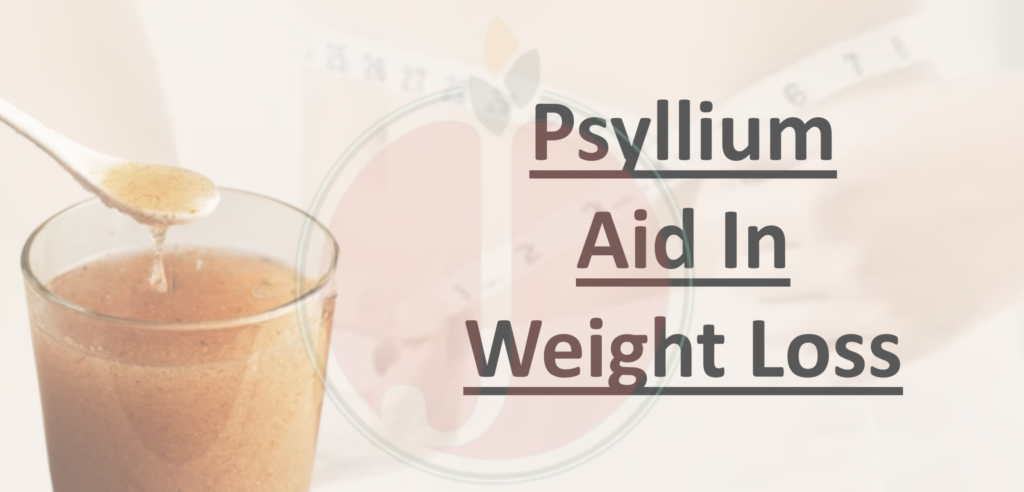
Psyllium is a type of soluble fiber derived from the seeds of the Plantago ovata plant. It has been used for centuries in traditional medicine to treat various ailments, including constipation, diarrhea, and high cholesterol. However, in recent years, It has gained popularity as a Psyllium weight loss supplement. In this blog, we will explore the science behind psyllium weight loss and how it can be incorporated into a healthy diet. How does Psyllium aid in weight loss? Psyllium is a water-soluble fiber that forms a gel-like substance when mixed with water. When consumed, it expands in the stomach, creating a feeling of fullness, which can help reduce appetite and food intake. This can lead to reduced calorie intake and, ultimately, weight loss. Furthermore, psyllium can also slow down the absorption of carbohydrates, which can help regulate blood sugar levels and reduce insulin spikes. This can help prevent overeating and reduce the risk of developing type 2 diabetes. Studies have also shown that Psyllium weight loss can help reduce belly fat, which is a type of fat that is associated with an increased risk of various health problems, including heart disease and diabetes. In a study published in the Journal of Clinical Gastroenterology, participants who consumed psyllium for 12 weeks had a significant reduction in their waist circumference compared to those who did not consume psyllium. In addition to its weight loss benefits, psyllium has also been shown to have other health benefits. It can help lower cholesterol levels, reduce blood pressure, and improve digestive health. How to Incorporate Psyllium into your diet Psyllium can be consumed in various forms, including capsules, powder, and whole husks. The most common way to consume psyllium is by mixing it with water or another liquid and drinking it before meals. This can help create a feeling of fullness, which can reduce appetite and calorie intake. It is important to note that psyllium should always be consumed with plenty of water or other fluids. If consumed without enough fluids, psyllium can cause blockages in the digestive system and potentially lead to choking or other complications. When incorporating psyllium into your diet, it is important to start with small doses and gradually increase the amount over time. This can help prevent digestive discomfort, such as bloating and gas. Psyllium can also be incorporated into various recipes, such as smoothies, oatmeal, and baked goods. However, it is important to keep in mind that psyllium can change the texture and consistency of foods, so it may require some experimentation to find the right balance. Psyllium Weight Loss Studies Numerous studies have investigated the link between psyllium and weight loss. One study published in the Journal of Clinical Nutrition found that consuming psyllium before meals led to a reduction in appetite and calorie intake. The study participants who consumed psyllium before meals ate an average of 100 fewer calories per meal than those who did not consume psyllium. Another study published in the Annals of Internal Medicine found that psyllium supplementation led to significant reductions in body weight, body mass index (BMI), and cholesterol levels in overweight and obese adults. A third study published in the Journal of Obesity found that psyllium supplementation combined with a calorie-restricted diet Conclusion In conclusion, Psyllium weight loss can be a useful tool when incorporated into a healthy diet. Its ability to create a feeling of fullness, slow down the absorption of carbohydrates, and reduce belly fat make it an effective supplement for weight loss. However, it is important to remember that Psyllium weight loss is not a magic pill. It should be used in conjunction, with a healthy diet and regular exercise to achieve and maintain weight loss goals. Additionally, Psyllium weight loss may not be suitable for everyone. Individuals with certain medical conditions, such as intestinal blockages, should not consume psyllium without consulting with, their healthcare provider. Overall, Psyllium weight loss is a safe and effective supplement and offers various health benefits. By incorporating psyllium into your diet, you can support your weight loss goals and improve your overall health and well-being.
Psyllium Gluten-Free Diet
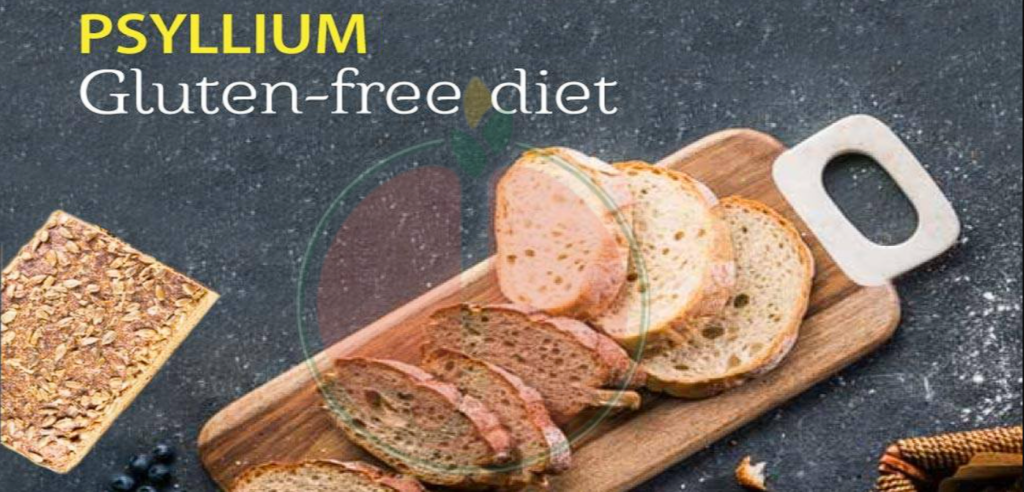
Psyllium is a natural fiber supplement that has been gaining popularity as a gluten-free solution for people with celiac disease, gluten sensitivity, or those who simply want to reduce their gluten intake. This supplement is derived from the seeds of the Plantago ovata plant and has been used for centuries in traditional medicine as a laxative and digestive aid. In recent years, psyllium has been studied extensively for its health benefits and has been found to have a range of benefits beyond its use as a laxative. In this blog, we will explore the Psyllium gluten free benefits and how it can help those who need to avoid gluten. What is Gluten? Gluten is a type of protein found in wheat, barley, rye, and other grains. It is responsible for the elasticity of dough and gives bread and other baked goods their chewy texture. Gluten is also used in many processed foods as a thickener, stabilizer, and emulsifier. For people with celiac disease, gluten sensitivity, or wheat allergy, consuming gluten can cause a range of symptoms such as bloating, abdominal pain, diarrhea, and even damage to the small intestine. The only treatment for these conditions is a strict gluten-free diet, which requires eliminating all sources of gluten from the diet. Psyllium Gluten Free Solution: Psyllium is a soluble fiber supplement that is often used as a gluten-free alternative to wheat and other grains. It is a natural source of fiber that is low in carbohydrates and has a neutral taste, making it an ideal addition to gluten-free baking and cooking. Psyllium Gluten Free works by absorbing water in the digestive tract, forming a gel-like substance that helps to regulate digestion and promote regularity. This can be particularly beneficial for people with celiac disease, as digestive issues are a common symptom of the condition. One of the main benefits of Psyllium Gluten Free for those on a gluten-free diet is its ability to mimic the texture and functionality of gluten in baking. When mixed with water, psyllium forms a gel that can be used to bind ingredients together and create a chewy texture in baked goods. This can be especially helpful in recipes that traditionally rely on gluten, such as bread, pizza dough, and pastry. Psyllium is also a versatile ingredient that can be used in a range of recipes, from savory dishes like burgers and meatballs to sweet treats like muffins and cakes. It can even be added to smoothies and other beverages to boost fiber intake and promote satiety. In addition to Psyllium Gluten Free benefits, its has been shown to have a range of health benefits. Some of the potential benefits of psyllium include: Improved digestive health: Psyllium has been shown to help regulate bowel movements and improve symptoms of constipation and diarrhea. Lowered cholesterol: Psyllium has been shown to lower levels of LDL cholesterol, which is the “bad” cholesterol that can contribute to heart disease. Blood sugar control: Psyllium has been shown to help regulate blood sugar levels, which is important for people with diabetes or those at risk for developing the condition. Weight loss: Psyllium has been shown to help promote feelings of fullness and reduce appetite, which can be helpful for people who are trying to lose weight. How to Use Psyllium Psyllium is typically sold as a powder or in capsule form and can be found at most health food stores and online retailers. When using psyllium in baking or cooking, it is important to follow the instructions carefully to ensure the best results. Here are some tips for using Psyllium Gluten Free in your cooking and baking: Start with small amounts: Psyllium can be very effective at binding ingredients together, so it’s important to start with small amounts and gradually increase as needed. Too much psyllium can result in a gummy or dense texture in baked goods. Use the right ratio: When using psyllium in place of gluten in a recipe, it is important to use the right ratio to achieve the desired texture. A good rule of thumb is to use 1 teaspoon of psyllium per 1 cup of flour. Mix well: Psyllium absorbs water quickly, so it’s important to mix it well with the other ingredients to ensure even distribution. Mixing the psyllium with water before adding it to the recipe can also help prevent clumping. Let it rest: After mixing the psyllium with the other ingredients, it is important to let the mixture rest for a few minutes to allow the psyllium to absorb the moisture and thicken. This will help create a more elastic and pliable dough or batter. Experiment with recipes: Psyllium can be used in a wide variety of recipes, so don’t be afraid to experiment with different dishes and flavor combinations. Some recipes may require more or less psyllium depending on the desired texture, so it’s important to adjust the amount accordingly. Conclusion Psyllium is a natural fiber supplement that can be a valuable tool for those on a gluten-free diet. With its ability to mimic the texture and functionality of gluten in baking, psyllium can help those with celiac disease, gluten sensitivity, or wheat allergy enjoy their favorite foods without sacrificing taste or texture. In addition to its gluten-free benefits, psyllium has been shown to have a range of health benefits, including improved digestive health, lowered cholesterol, and blood sugar control. By incorporating psyllium into your diet, you can enjoy the benefits of this versatile and nutritious ingredient while maintaining a gluten-free lifestyle.