From Indian Farms to Global Shelves: How Jyot Overseas Delivers Certified Organic Psyllium
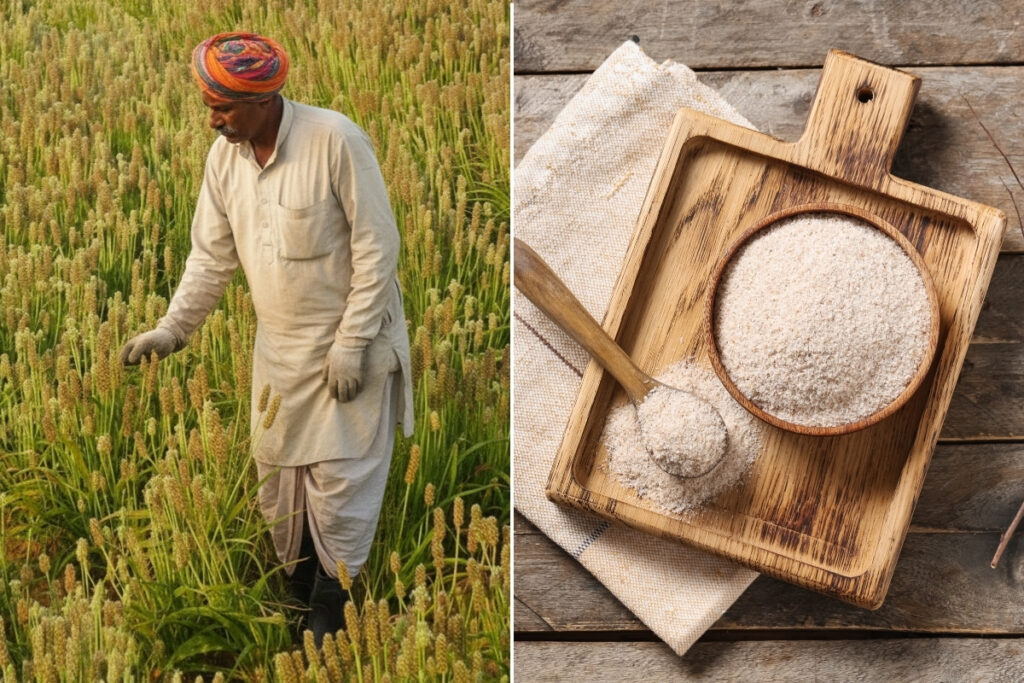
Introduction Psyllium, renowned for its health benefits, is a staple in the global dietary supplement, food, and pharmaceutical industries. As demand for organic, clean-label ingredients grows, sourcing high-quality psyllium has become more complex. India, with its ideal growing conditions in Rajasthan and Gujarat, supplies over 90% of the world’s psyllium, making it the dominant player in the global psyllium market. As a result, psyllium manufacturers in India are central to meeting this demand. However, meeting global standards for purity, traceability, and sustainability remains a challenge. Jyot Overseas, a leading supplier of organic psyllium husk, is addressing these challenges by ensuring rigorous quality control from farm to export. By providing certified organic fibre, the company ensures that organic psyllium from India meets the highest standards for international buyers. This blog explores how the company’s commitment to transparency and compliance helps global buyers access the finest organic psyllium available. India: The Global Hub of Psyllium India’s semi-arid regions provide ideal conditions for psyllium cultivation. Rajasthan and Gujarat lead production due to favourable soil and climate. Key facts about India’s psyllium dominance: This natural advantage, combined with skilled processing, makes India the preferred source for psyllium for food and pharma applications worldwide. Organic Psyllium Starts at the Farm Organic quality begins long before processing. Jyot Overseas works directly with ICS farmers to ensure purity at the source. Why farm-level control matters: This approach allows Jyot Overseas to supply organic psyllium whole husk and seeds with confidence. Working with Farmers on Organic Cultivation Jyot Overseas partners with certified organic farmers across Rajasthan. Farmers are trained on: This ensures the psyllium grown qualifies as a clean-label fibre ingredient without synthetic inputs. Long-term farmer relationships also stabilise supply in volatile seasons. Harvesting and Seed Collection Harvesting is done at the right maturity stage to protect fibre quality. Key harvesting practices include: Jyot Overseas is also a reliable psyllium seed supplier, providing high-purity seeds for cultivation and trade. From Seed to Husk Processing with Quality Control Processing is where raw psyllium becomes export-grade material. Jyot Overseas operates modern facilities designed for: This ensures the consistent delivery of bulk psyllium husk powder to global buyers. Cleaning, Grading, and Dehusking Raw psyllium seeds go through multi-stage cleaning systems. The process includes: Dehusking is carefully performed to preserve husk length and swelling capacity. This step is critical for premium organic psyllium husk quality. Milling, Blending, and Packaging For customised requirements, psyllium husk is milled and blended. Options include: Jyot Overseas also supplies steam-treated psyllium, ensuring microbial safety without chemical sterilisation — ideal for pharma and nutraceutical brands. Certifications, Compliance, and Traceability Global buyers demand verified documentation. Jyot Overseas meets international compliance standards. Certifications include: Batch-level traceability allows buyers to track products from farm to shipment. This builds trust in Jyot Overseas as a responsible psyllium manufacturer. Global Logistics: Getting Psyllium to International Brands Export logistics are as critical as production. Jyot Overseas manages: With experience in over 30 countries, the company ensures smooth psyllium exports from India to the USA, the EU, the Middle East, and Asia. Why Global Brands Choose Jyot Overseas International brands look for more than price. They want reliability, compliance, and consistency. Key reasons buyers partner with Jyot Overseas: This positions Jyot Overseas among the trusted psyllium manufacturers in India, serving the food, pharma, and nutraceutical industries. Case Study: Organic Psyllium for a European Nutraceutical Brand A European nutraceutical company required: Jyot Overseas delivered a customised solution within 30 days. Post-launch, the brand reported: This highlights Jyot Overseas’ strength as a psyllium seed supplier and processor. Case Study: Bulk Supply for a US Food Manufacturer A US-based food brand needed bulk psyllium husk powder for gluten-free baking. Challenges included: Jyot Overseas ensured uninterrupted supply, helping the brand scale production without quality compromise. Psyllium for Food and Pharma Applications Psyllium’s versatility drives its global demand. Major applications include: The rising demand for certified organic fibre continues to fuel growth in the global psyllium market. Sustainability and Ethical Sourcing Jyot Overseas supports sustainable agriculture. Initiatives include: This ethical approach strengthens long-term supply and supports the global shift toward clean-label fibre ingredient sourcing. Conclusion From Indian farms to global shelves, Jyot Overseas delivers trusted organic psyllium from India through controlled sourcing, certified processing, and reliable exports. As a leading psyllium manufacturer, the company supports food and pharma brands with organic psyllium husk, steam-treated psyllium, and bulk solutions. With deep roots in agriculture and a strong global reach, Jyot Overseas continues to shape the future of the global psyllium market.
Effect of Frost on psyllium: Ground Reality from Rajasthan

Effect of Frost on Psyllium: Ground Reality from Rajasthan Rajasthan is currently facing an intense cold wave, with frost and extremely low temperatures affecting major agricultural belts. This sudden shift in weather has created serious challenges for psyllium (Isabgol) cultivation, a crop that is highly sensitive to frost—especially during its critical growth and flowering stages. Potential Impact of Frost on Psyllium Crop 1. Seed DamageFrost exposure can deteriorate seed quality, resulting in poor germination and reduced overall yield. 2. Plant MortalitySevere frost may lead to partial or complete plant death, causing significant crop loss in affected fields. 3. Leaf Drying and BurnLow temperatures can dry out leaves and cause frost burn, restricting photosynthesis and slowing plant growth. 4. Flower DamageFrost can damage flowers, directly affecting pollination and seed formation, which ultimately reduces production. 5. Reduced Seed SizeCold stress often results in smaller, lighter seeds, lowering both quality and market value. 6. Overall Yield ReductionThe combined effect of frost damage can lead to a substantial decline in total crop output, impacting farmers’ income. 7. Increased Pest and Disease SusceptibilityFrost-stressed plants become weaker and more vulnerable to pest attacks and disease outbreaks, further aggravating crop losses. Conclusion The ongoing cold wave in Rajasthan highlights the vulnerability of psyllium cultivation to frost conditions. Without timely protective measures, farmers may face considerable yield and quality losses. Monitoring weather patterns and adopting frost-management practices are crucial to minimizing damage during such extreme climatic events.
Jyot Overseas at BIOFACH India 2025: A Successful Step Towards Global Organic Growth
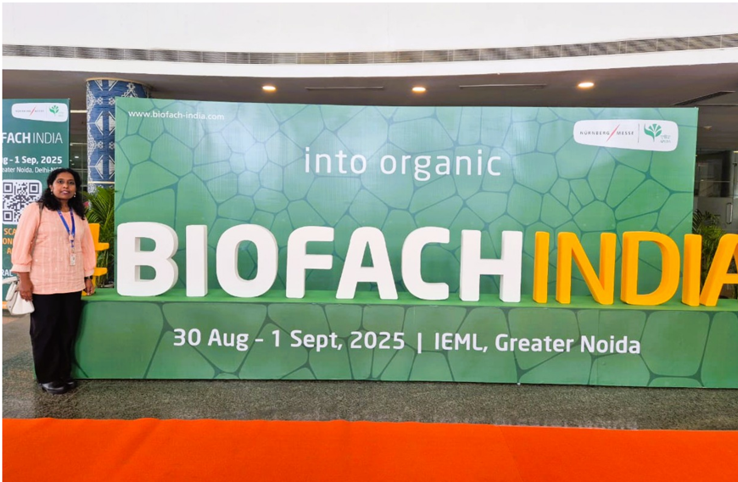
Jyot Overseas, a leading manufacturer and exporter of premium Psyllium (Isabgol), proudly participated in BIOFACH India 2025, held from 30th August to 1st September 2025 at IEML, Greater Noida. The event proved to be a highly successful platform for strengthening relationships, exploring new markets, and gaining valuable insights into the global organic industry. BIOFACH India 2025 – India’s Premier Organic Trade Fair BIOFACH India is internationally recognized as one of the most influential exhibitions for organic products, natural ingredients, and sustainable agriculture. The event brought together manufacturers, exporters, buyers, importers, and industry experts from across the world under one roof. The theme “Into Organic” perfectly aligned with Jyot Overseas’ commitment to quality, sustainability, and purity in Psyllium production. Strong Presence of Jyot Overseas at BIOFACH India Our team had the opportunity to interact with a diverse range of visitors, including: We showcased our high-quality Psyllium Husk, Psyllium Powder, and Psyllium Seeds, highlighting our advanced manufacturing processes, strict quality control, and export capabilities. Promoting the Benefits of Psyllium (Isabgol) Psyllium, also known as Isabgol, is widely valued for its health benefits and growing global demand. At BIOFACH India 2025, we emphasized how our Psyllium products are ideal for: As a trusted Psyllium exporter from India, Jyot Overseas ensures: Valuable Client Interactions & New Business Opportunities We are extremely grateful to all our existing clients, partners, and new visitors who took the time to visit us during the exhibition. The discussions were insightful and opened doors to new business opportunities, collaborations, and export markets. BIOFACH India 2025 helped us: Commitment to Quality & Sustainability At Jyot Overseas, we believe in delivering pure, natural, and sustainably sourced Psyllium products. Our participation at BIOFACH India reinforces our mission to support organic growth, clean nutrition, and long-term partnerships worldwide. Thank You for Making BIOFACH India 2025 a Success We sincerely thank everyone who visited our team at BIOFACH India 2025 and contributed to making this event a grand success. Your trust and support motivate us to continue delivering the best quality Psyllium (Isabgol) from India to the world.
Organic Psyllium Wins Over Conventional Psyllium
Psyllium is a type of soluble fiber that is derived from the seeds of a plant called Plantago ovata. Psyllium has many health benefits, such as lowering cholesterol, improving blood sugar levels, easing constipation, and promoting weight loss. However, not all psyllium products are created equal. If you want to get the most out of your psyllium intake, you should opt for organic psyllium over conventional psyllium. What is Organic Psyllium? Unlike conventional psyllium, which may contain traces of pesticides and other chemicals, organic psyllium is grown without the use of synthetic fertilizers, herbicides, or fungicides. This means that organic psyllium has more natural and beneficial nutrients that can boost your immunity, metabolism, and energy levels. What are the Benefits of Organic Psyllium? Some of the key differences between organic and conventional psyllium are: Organic psyllium has 28% more vitamin C, which is essential for collagen synthesis, wound healing, and fighting infections. Organic psyllium has 28.6% more magnesium, which is important for muscle and nerve function, blood pressure regulation, and blood sugar control. Organic psyllium has 20.77% more iron, which is vital for hemoglobin production, oxygen transport, and immune system function. Organic psyllium has 14% more phosphorous, which is crucial for bone and teeth health, DNA and RNA synthesis, and energy metabolism. Organic psyllium has higher phenolic compounds and antioxidants than conventional psyllium. These are powerful substances that can protect your cells from oxidative stress, inflammation, and chronic diseases. As you can see, by choosing organic psyllium, you are not only supporting sustainable farming practices, but also enhancing your health and wellness. How to Use Organic Psyllium? Organic psyllium is available in various forms, such as powder, capsules, or husks. You can easily incorporate organic psyllium into your daily diet by adding it to your smoothies, cereals, soups, salads, or baked goods. The recommended dosage of organic psyllium is about 10 to 30 grams per day, depending on your individual needs and preferences. However, you should always consult your doctor before taking any dietary supplements. Where to Buy Organic Psyllium? If you are looking for a reliable source of organic psyllium, you can check out Jyot Organics, a company that specializes in organic Psyllium from India. They offer high-quality organic psyllium that is certified by USDA, EU, and India Organic standards. You can connect them by their website:- www.jyotoverseas.net/jyot-organics.html or directly email to Exports@Jyotoverseas.net Conclusion Organic psyllium is a superior choice over conventional psyllium when it comes to fiber supplements. Organic psyllium has more nutrients, antioxidants, and health benefits than conventional psyllium. By choosing organic psyllium, you are not only doing good for yourself, but also for the environment. So what are you waiting for? Try organic psyllium today and see the difference for yourself!
APEDA Event – Unlocking Potential of Psyllium
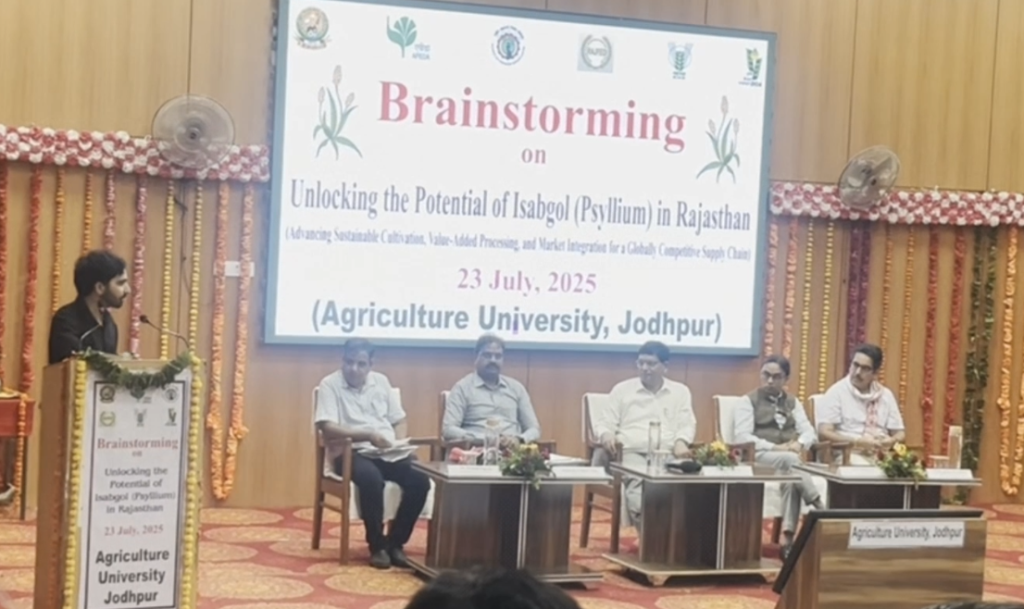
Unlocking the Potential of Isabgol (Psyllium) in Rajasthan: Our Reflections from the Brainstorming Session at Agriculture University, Jodhpur On July 23rd, 2025, we had the honor of participating in a high-impact Brainstorming Session on “Unlocking the Potential of Isabgol (Psyllium) in Rajasthan”, organized at Agriculture University, Jodhpur. This event brought together stakeholders across the value chain—researchers, exporters, policymakers, and cultivators—with the shared goal of strengthening India’s global leadership in the Psyllium industry. We extend our sincere gratitude to Mr. Man Prakash Vijay, Deputy General Manager, APEDA (Agricultural and Processed Food Products Export Development Authority), for inviting us and providing a valuable platform to share our experiences and voice key concerns surrounding Psyllium cultivation and export—especially in the context of organic Psyllium. The Growing Importance of Psyllium (Isabgol) Psyllium, commonly known as Isabgol, is one of India’s most vital agricultural export commodities. Sourced primarily from Rajasthan and Gujarat, Psyllium husk has found its way into global markets due to its exceptional health benefits—ranging from digestive wellness to cholesterol management. With the increasing global shift toward natural, organic, and sustainable products, India’s role in Psyllium supply has become more crucial than ever. Key Highlights from the Session During the session, we were able to spotlight critical challenges in the export of Organic Psyllium, including: Lack of standardized quality parameters Compliance hurdles in international organic certification Supply chain traceability issues Limited awareness among farmers about export potential and organic cultivation practices These are not just operational issues—they are strategic challenges that require collective action. The brainstorming format allowed us to engage deeply with experts and stakeholders, exploring collaborative solutions such as: Strengthening farm-level training and backward integration Enhancing research–industry linkages Leveraging technology and digital tools for traceability Policy interventions for streamlined organic certification A Vision for the Future India already accounts for over 80% of global Psyllium exports. But the future lies in moving up the value chain—from raw husk to value-added Psyllium-based nutraceuticals and branded organic products. Sessions like these are critical in turning that vision into reality. We are proud to contribute to this dialogue and reaffirm our commitment to sustainable, high-quality, and globally competitive Agri exports from India. 🌾 Let’s Grow Together The session reinforced our belief that when academia, government, and industry collaborate, we can unlock unprecedented opportunities for Indian agriculture. We look forward to continuing this journey and thank all stakeholders who made this event impactful and forward-looking.
Proud Moment – SHEFEXIL Export Award Winner
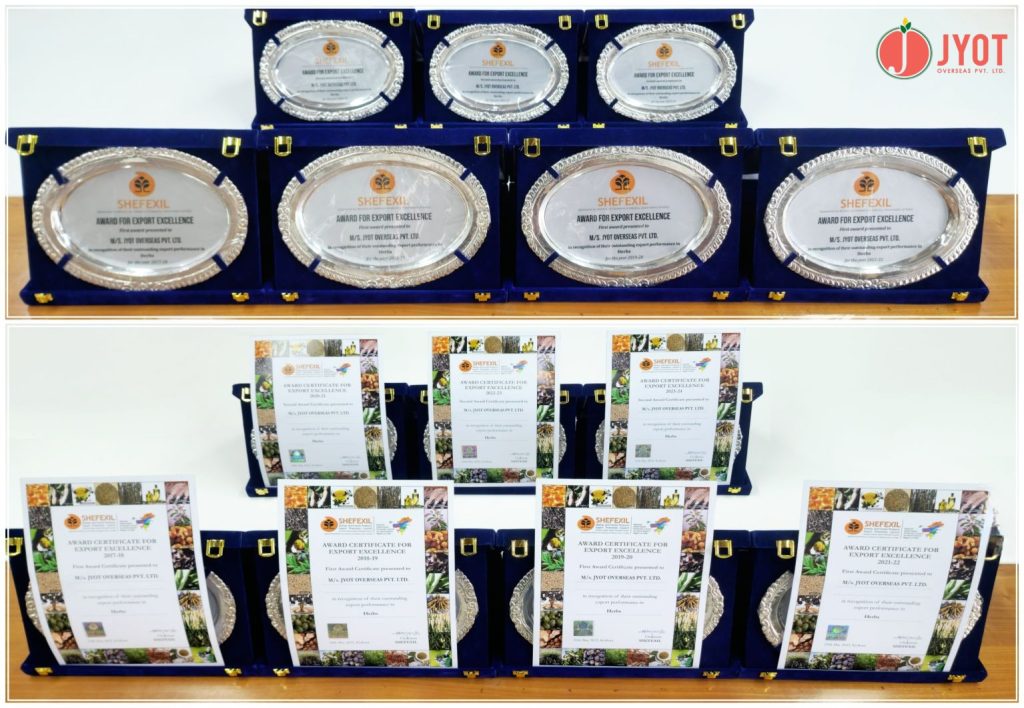
We are thrilled to share a moment of pride and accomplishment for Jyot Overseas Pvt. Ltd. – a recognized leader in Psyllium exports. We have been honored with the SHEFEXIL Export Award under the Herbs Category for seven consecutive years (2017–18 to 2023–24)! 🏆 1st Position – 4 Times 🥈 2nd Position – 3 Times This consistent recognition by the Shellac & Forest Products Export Promotion Council (SHEFEXIL) underlines our commitment to quality, reliability, and excellence in international trade. It is a true reflection of our dedication to delivering premium Psyllium Seed, Psyllium Seed Powder, Psyllium Husk, and Psyllium Husk Powder to our global partners. At Jyot Overseas, we take pride in upholding the highest standards across every aspect of our operations—from sustainable sourcing and processing to timely exports and client service. We sincerely thank our clients, partners, and dedicated team members who have been instrumental in making this journey successful. This achievement fuels our passion to keep innovating and excelling in the natural health and wellness sector. 📩 Curious to explore our product range? Connect with us at: exports@jyotoverseas.net
Why Does Psyllium Turn Pink/Purple in Bread?
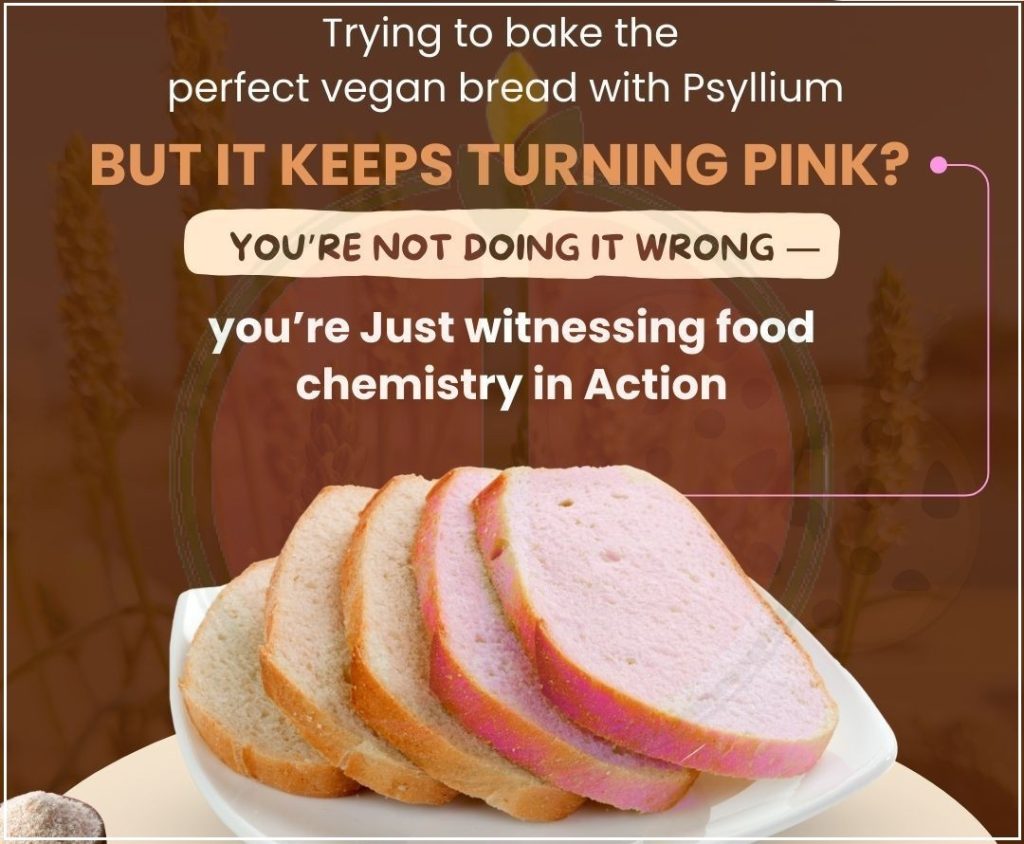
Have you ever added Psyllium Husk to your gluten-free or vegan bread recipe and noticed an unexpected pink or purple tint in the final loaf? Don’t worry — your ingredients aren’t bad, and your baking isn’t off. There’s a fascinating science behind it. 🔬 The Science Behind the Color Shift Psyllium husk naturally contains polyphenols similar to anthocyanins, the same plant compounds found in berries and red cabbage. These compounds are pH-sensitive, meaning they change color depending on the acidity or alkalinity of the surrounding environment. In alkaline baking conditions — like doughs high in baking soda, yeast, or those made without eggs — these compounds can react with the environment, resulting in a purple or pink coloration during or after baking. 🥖 How to Fix It – 3 Simple Solutions Here are some easy ways to maintain a clean bake without compromising on structure or nutrition: ✔️ Adjust pH Add 1–2 teaspoons of lemon juice or apple cider vinegar per loaf. This acid helps neutralize the alkalinity and stabilize the color. ✔️ Use the Right Amount Stick to 2–3% psyllium husk by flour weight. This ensures proper structure without triggering excessive pH reactions. ✔️ Control Proofing Avoid overproofing in warm, humid conditions, which can exaggerate color changes due to prolonged fermentation and pH shifts. 💡 Formulation Help, Backed by Science At Jyot Overseas, we understand that psyllium is more than just a fiber source — it’s a functional ingredient that can transform the texture, moisture, and structure of modern baked goods. Whether you’re developing a vegan, gluten-free, or clean-label product, our premium Psyllium Husk is designed to perform consistently — visually and nutritionally. 🧪 Need help perfecting your formulation? Let’s work together to ensure your product delivers the results your consumers expect. 📩 Reach out to us: exports@jyotoverseas.net
Vitafoods India 2025 – Thank You for Visiting Us!
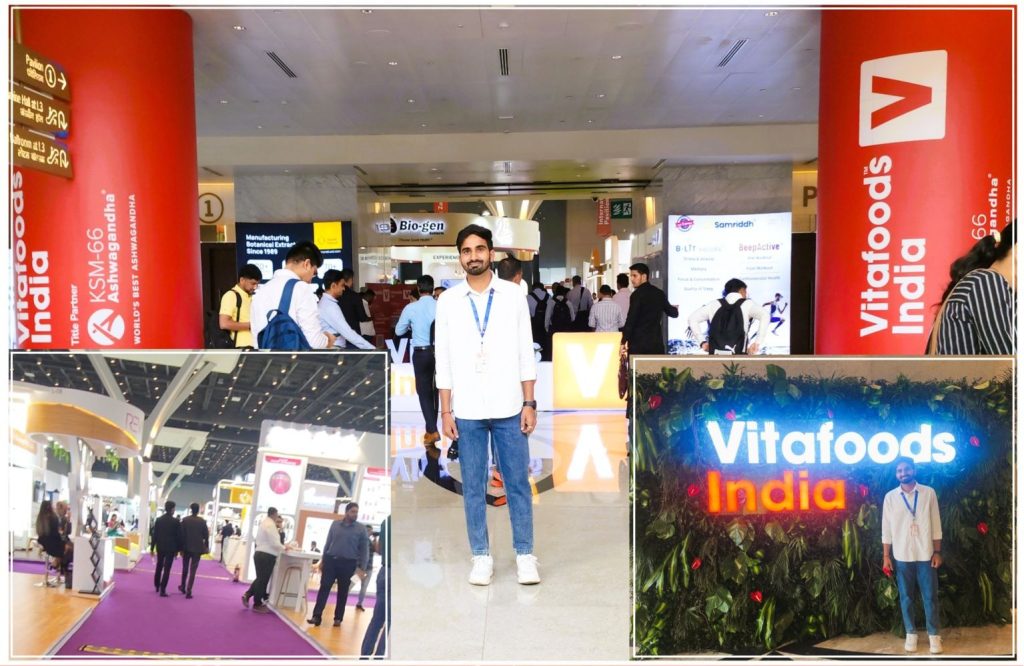
We are pleased to share that Jyot Overseas Pvt. Ltd. had a successful participation at Vitafoods India 2025, one of the leading exhibitions dedicated to the nutraceutical and dietary supplements industry. As a prominent exporter of Psyllium Seed, Psyllium Seed Powder, Psyllium Husk, and Psyllium Husk Powder, the event provided us with a great platform to connect with existing clients, engage with potential partners, and showcase the quality and versatility of our Psyllium products. It was also a timely occasion to discuss the upcoming Psyllium Crop 2025 and share valuable insights into the latest market developments. We are sincerely grateful to everyone who visited us and contributed to making the event a resounding success. Your interest, feedback, and support continue to motivate us in our mission to deliver superior-quality, organic Psyllium to markets worldwide. We look forward to continuing these conversations and building stronger partnerships in the times ahead. For more information or business inquiries, please connect with us: 📧 exports@jyotoverseas.net 🌐 www.jyotoverseas.ne
Unlock Thriving Psyllium Plants
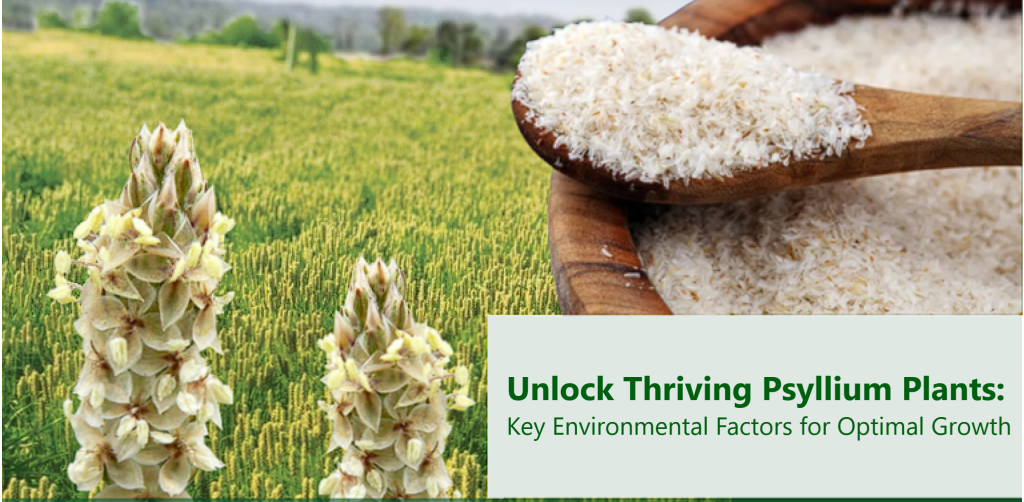
Key Environmental Factors for Optimal Psyllium Growth Psyllium (Plantago ovata) is a versatile and highly sought-after plant, especially known for its seeds, which are rich in soluble fiber. It is cultivated primarily for its medicinal and dietary benefits, including as a natural laxative and in various health products. However, to harness the full potential of this plant, understanding and optimizing the environmental factors that promote its growth is crucial. From the right soil conditions to the ideal temperature range, here’s a detailed look at the key environmental factors that will ensure psyllium thrives and produces high-quality seeds. Ideal Region for Cultivation Psyllium plants are most commonly found in regions with moderate, semi-arid climates. India, particularly the states of Rajasthan, Gujarat, and Madhya Pradesh, are known for their favorable conditions for psyllium cultivation. These areas offer plenty of sunlight, relatively low humidity, and well-drained soil — key factors that contribute to optimal growth. These semi-arid regions mimic the plant’s natural habitat and create an environment where psyllium can flourish. While psyllium can be cultivated in other regions as well, conditions similar to those found in its native growing areas will help maximize yield and quality. Weather Requirements Psyllium thrives in warm and dry weather, making it well-suited for areas with hot summers and little rainfall. It is especially sensitive to frost, which can cause significant damage to the plant. A temperature range of 20°C to 30°C (68°F to 86°F) during the day is ideal for psyllium’s healthy growth, and temperatures at night can dip lower, helping to stimulate seed development. During germination and early stages of growth, psyllium benefits from moderate warmth, as excessive heat or cold can stunt its growth. The plant can tolerate brief spells of lower temperatures (down to 5°C or 41°F), but prolonged exposure to frost will likely destroy the plant. On the flip side, temperatures above 35°C (95°F) can also stress the plant, particularly if maintained for extended periods, leading to reduced seed production. Soil Conditions The soil plays a pivotal role in the healthy development of psyllium plants. Psyllium prefers well-drained, sandy loam or loamy soils with moderate fertility. These types of soil types allow for proper root development and ensure that excess moisture does not build up, which can cause root rot. The ideal soil pH for psyllium cultivation is between 6.0 and 8.0, which is slightly acidic to neutral. Soil with poor drainage or high clay content is not suitable for psyllium, as it can hold too much water, creating a risk of disease and impeding healthy root growth. Proper soil preparation, including the addition of organic matter or fertilizers if necessary, can further enhance soil fertility, promoting strong plant growth and better seed yield. Ensuring the soil is loose and well-aerated during planting is critical for successful psyllium cultivation. Watering Needs Psyllium is considered drought-tolerant once established, but it does require adequate moisture during the initial stages of growth. Proper water management is essential: over-irrigation can lead to waterlogging and disease, while under-watering can stunt growth and delay seed formation. During the germination phase, consistent moisture is required, with the soil kept lightly moist but never soggy. After the plants are well-established, they can endure dry spells, making them an excellent choice for regions with low rainfall. However, it’s important to maintain balanced irrigation throughout the growing period, particularly during flowering and seed development. Moderate watering practices — providing just enough water to keep the soil moist without over-saturating it — will help keep the plants healthy and productive. Maturity and Growth Cycle Psyllium typically takes around 3-4 months to reach maturity, although the exact time frame can vary depending on regional factors and climatic conditions. During this period, the plant develops its long, slender stems and produces small, light-colored seeds that are the key harvest product. It’s important to understand that environmental conditions, such as temperature and soil quality, can affect the growth cycle. If temperatures fluctuate outside the optimal range or if the plant is stressed, the growth cycle may take longer or result in lower yields. Ensuring Optimal Growth To optimize the growth of psyllium, the plant requires plenty of sunlight — ideally 8-10 hours of direct sunlight each day. This ensures healthy vegetative growth and aids in the production of seeds. Regular exposure to sunlight promotes photosynthesis, which in turn supports overall plant health and vigor. Temperature also plays a key role in seed production. The ideal temperature range of 20°C to 30°C (68°F to 86°F) encourages healthy seed formation. When temperatures dip too low, seed development is often stunted, and growth is slowed. Consistency in temperature and sunlight is the key to maximizing the plant’s potential. Germination Conditions For successful psyllium germination, the soil must be well-aerated and maintained at a consistent moisture level. The ideal temperature range for seed germination is between 15°C and 25°C (59°F and 77°F), which ensures uniform seedling establishment. Under these conditions, seeds typically germinate within 7-14 days. Psyllium seeds are small and require delicate handling. It is vital that soil conditions remain moist during this early stage, but not overly wet, as this could cause the seeds to rot. Providing the right balance of moisture and temperature during germination leads to strong seedlings that will grow into healthy plants. Managing Temperature Extremes As mentioned, psyllium is sensitive to both high and low temperature extremes. While the plant can tolerate some cooler weather, temperatures below 5°C (41°F) are detrimental to its growth. Frost is particularly damaging, as it can kill the plant outright. On the hotter end, psyllium can suffer when exposed to temperatures above 35°C (95°F) for extended periods. Prolonged heat stress may cause wilting, stunted growth, and a reduction in seed production. It is crucial for farmers to monitor and regulate the temperature to avoid these extremes and create a more favorable growing environment. Conclusion Unlocking the full potential of psyllium cultivation involves creating an environment that caters to the plant’s specific needs. By ensuring the proper temperature, soil
FI Europe 2024: A Great Experience
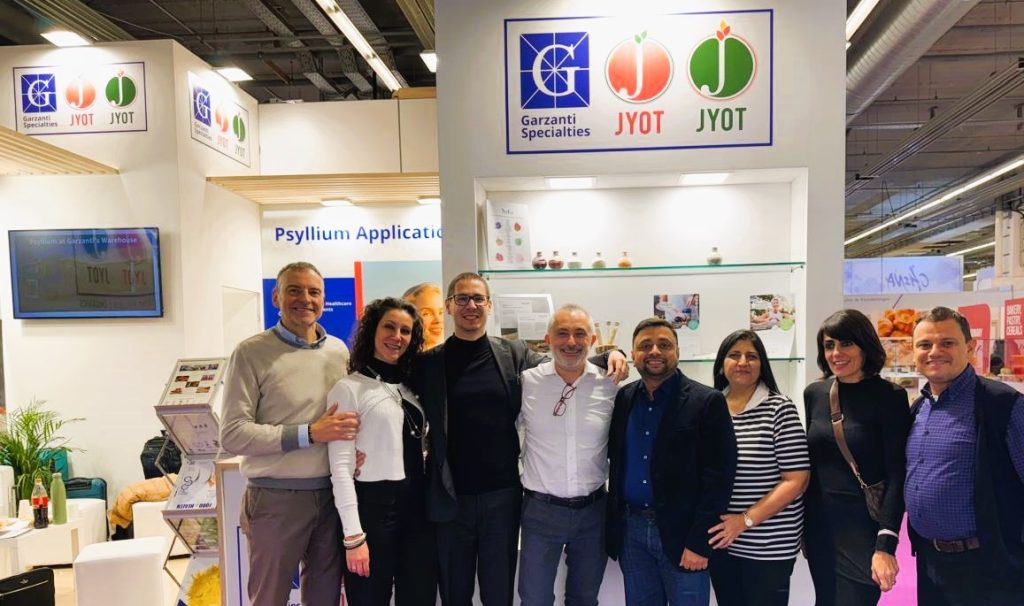
We are excited to announce that the Jyot – Garzanti team recently participated in FI Europe 2024 in Germany, one of the leading trade shows for the food ingredients industry. As a prominent exporter of Psyllium Husk, Psyllium husk Powder & Psyllium Seed Powder, it was an excellent opportunity for us to connect with clients, showcase our products, and explore new business opportunities. Our team had the chance to meet with both existing and potential clients, discuss the latest market trends, and demonstrate the quality and versatility of our Psyllium Grades. We are grateful for the positive feedback and the meaningful connections made during the event. Following this successful participation, we are even more committed to expanding our global presence and continuing to deliver high-quality Psyllium Grades that meet the needs of our customers. Thank you to everyone who visited us at the booth. We look forward to further strengthening our partnerships and working together in the future.