
IMPORTANCE OF FIBER IN YOUR DIET

Studies conducted over many years have proven the importance of fiber intake for people off all ages. Though once it was considered as an aid only in occasional constipation. The results of study have made it clear that, diet containing high fiber helps keep digestive system healthy, keeps your heart healthy, and also provides idea food to the beneficial bacteria in your body. Whatever age group you belong to, it is important that you get enough fiber supplements in your diet. This makes it important to know what is the right amount or quantity of fiber intake per person daily, and also what foods contain such Fiber diet in good, required quantities. Studies have revealed that more than 60% of the people are un- aware of the amount of intake of fiber to keep your body healthy. This situation arises as we do not talk or discuss about fiber in your diet, hence it becomes important to talk about it with our doctors, friends etc.
PSYLLIUM FOR ANIMAL FEED
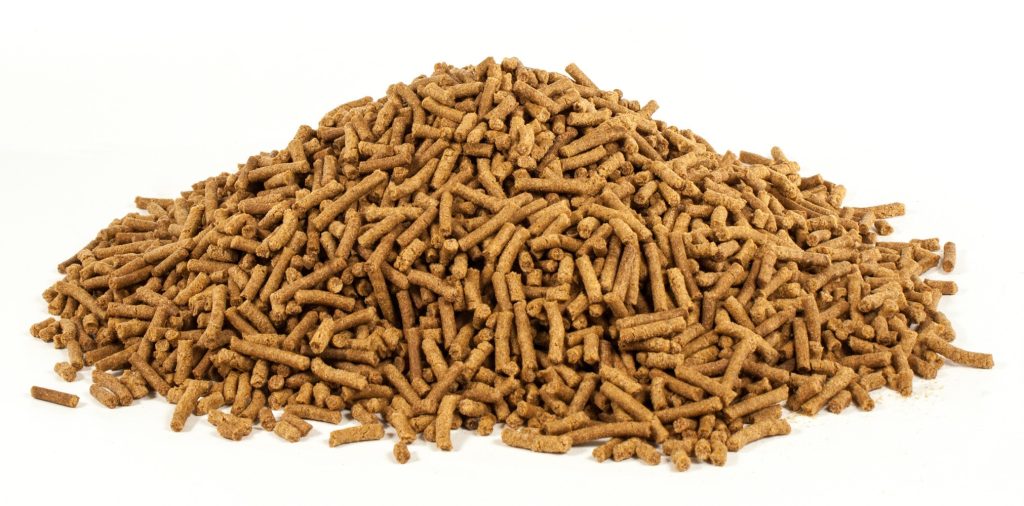
Psyllium seed husk in flavored pellets for ease of administration. Natural Psyllium Fiber is a monthly purge. Supports removal of sand and may help reduce the possibility of digestive colic in horses.
JYOT OVERSEAS PSYLLIUM

The key features of company are :- Below 5% moisture Psyllium available on request. Organic Psyllium available. Steam treated Psyllium available. GMO free & GLUTEN free Psyllium available. Jyot specializes in metal detection level upto 0.9 mm for ferrous and 1.2 mm for Non-ferrous Well equipped to offer Heavy extraneous matter as low as 0.05% as against allowable limit of 1.1%.
EXPORT PACKAGING
EXPORT PACKAGING
PSYLLIUM REMEDIES AND HERBAL THERAPY

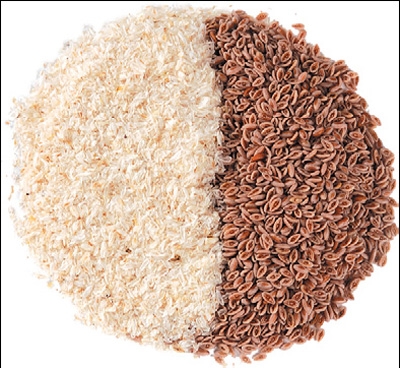
Psyllium husk comes from the crushed seeds of the Plantago ovata plant, an herb native to parts of Asia, Mediterranean regions of Europe, and North Africa. In addition to its traditional use for constipation, psyllium has also been used topically by herbalists to treat skin irritations, including poison ivy reactions and insect bites and stings. It has also been used in Chinese and Indian traditional herbal systems to treat bladder problems, diarrhea, hemorrhoids, and high blood pressure. Similar to oats and wheat, psyllium is rich in soluble fiber. Traditionally, psyllium husk is used as a gentle bulk-forming laxative for constipation. Its ingredients include alkaloids, amino acids, oils, protein, tannins, flavonoids, and a variety of sugars and carbohydrates. It is used as a stabilizing and thickening agent in many salad dressings, soups, lotions, and creams. Psyllium seeds are oval-shaped, odorless, practically tasteless, and are coated with mucilage. Most commercial preparations consist of blonde psyllium. Another type of psyllium, called black psyllium, may also be used as a bulk laxative and carries the same risks as blonde psyllium, but is not typically found in commercial psyllium preparations. Used as a dietary fiber, psyllium makes stools softer, which helps relieve constipation, irritable bowel syndrome, hemorrhoids and other intestinal disorders. When psyllium husk comes in contact with water, it swells and forms a gelatinous mass that stimulates the transport of waste through the intestinal tract. It is considered a good intestinal cleanserin that it speeds waste matter through the digestive system, shortening the amount of time toxic substances stay in the body and thereby reducing the risk of colon cancer and other diseases. Psyllium encourages the growth of healthful, “friendly” intestinal bacteria such as Lactobacillus acidophilous and bifidobacteria which are helpful in regulating bowel movements.
IMPORTANCE OF FIBER

Importance Of Fiber In Your Diet: Studies conducted over many years have proven the importance of fiber intake for people off all ages. Though once it was considered as an aid only in occasional constipation. The results of study have made it clear that, diet containing high fiber helps keep digestive system healthy, keeps your heart healthy, and also provides idea food to the beneficial bacteria in your body. Whatever age group you belong to, it is important that you get enough fiber supplements in your diet. This makes it important to know what is the right amount or quantity of fiber intake per person daily, and also what foods contain such Fiber diet in good, required quantities. Studies have revealed that more than 60% of the people are un- aware of the amount of intake of fiber to keep your body healthy. This situation arises as we do not talk or discuss about fiber in your diet, hence it becomes important to talk about it with our doctors, friends etc.
PSYLLIUM FIBER
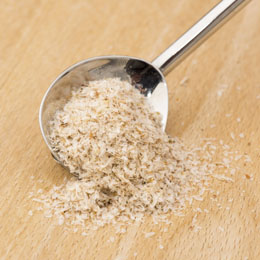
Psyllium Fiber Psyllium husk is the best source of fiber for those who want to increase fiber in their diet. The present article deals with psyllium fiber benefits and side effects. Read on to know how fiber from psyllium promotes weight loss…. Psyllium husk or ispaghula or isabgol is nothing but the outer covering of seeds of the plant Plantago Psyllium, found in the Middle East, Asia, Europe and North Africa. Psyllium is cultivated mainly for its mucilage content, which is highest in P. ovata. It was initially used as a herb to relieve constipation but it is now considered as the best fiber supplement. Psyllium husk powder, wafers or capsules are prescribed by dietitians and doctors. These fiber supplements are easily available in markets and are regarded as excellent sources of dietary fiber. Psyllium fiber is an essential ingredient of high fiber breakfast cereals. It helps reduce the symptoms of both constipation and mild diarrhea. Just to bring to your notice the surprising amount of fiber in psyllium, here is an example: Oat bran, which is usually considered as rich in fiber, has about 5 grams of fiber per 1/3 rd cup, while the same quantity of psyllium husk contains around 71 grams of fiber. This is the reason why psyllium supplements are recommended for fiber.
PSYLLIUM – HOW TO TAKE IT

PSYLLIUM How to Take It Pediatric Children should get fiber from their diet. Give a child psyllium supplements only under a doctor’s supervision. Adult Add 1/2 – 2 tsp of psyllium seed to 1 cup (8 oz.) of warm water. Mix well, then drink immediately before it becomes too thick to swallow comfortably. (Psyllium thickens rapidly when added to water.) If you use a commercial product that contains psyllium, follow the package directions. If you are not used to taking psyllium, it is best to begin with a low dose (such as 1/2 tsp. in an 8 oz. glass of water once a day), then increase to 2 tsp. in 2, 8 oz. glasses of water per day, as needed. Your health care provider may recommend higher doses of psyllium to treat certain conditions. You can take psyllium first thing in the morning or before bedtime. As a weight loss aid, take it at least 30 minutes before meals.
PSYLLIUM BENEFITS FOR HEART HEALTH
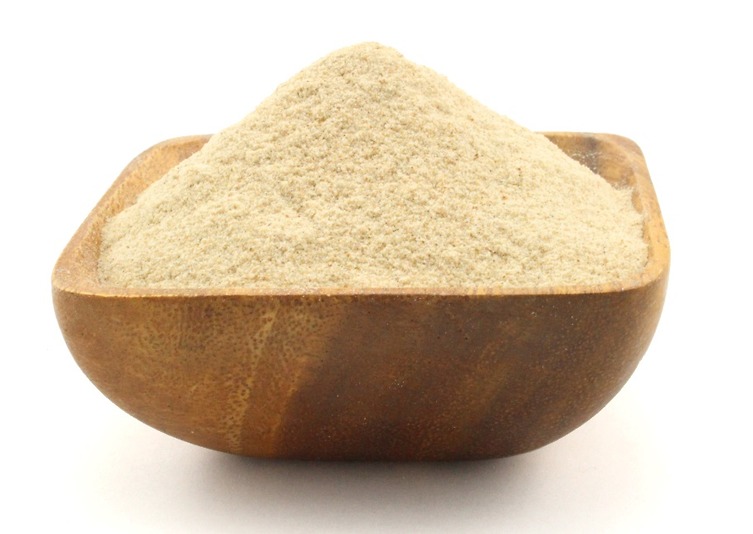
Heart Health Psyllium can lower your risk of heart disease by: lowering your blood pressure improving your lipid levels strengthening your heart muscle Research has shown that soluble fiber can help manage cholesterol levels. Proper cholesterol regulation is important for everyone, but vital for people over the age of 50. One study shows that psyllium is an effective way for people to lower their cholesterol, with very few side effects. If you’re been told you need to watch your cholesterol, ask your doctor if adding psyllium to a low-fat, low-cholesterol diet is right for you. High cholesterol is merely one way a bad diet can affect your heart. Numerous studies have shown that fiber like psyllium, as part of a healthy diet, can help lower a person’s risk of heart disease. Psyllium can affect your heart by lowering blood pressure, improving lipid levels, and strengthening heart muscle.
health effect of dietary psyllium
Health effects of dietary psyllium Several studies point to a cholesterol reduction attributed to a diet that includes dietary fiber such as psyllium. Research published in The American Journal of Clinical Nutrition concludes that the use of soluble-fiber cereals is an effective and well-tolerated part of a prudent diet for the treatment of mild to moderate hypercholesterolemia. Although the cholesterol-reducing and glycemic-response properties of psyllium-containing foods are fairly well documented.